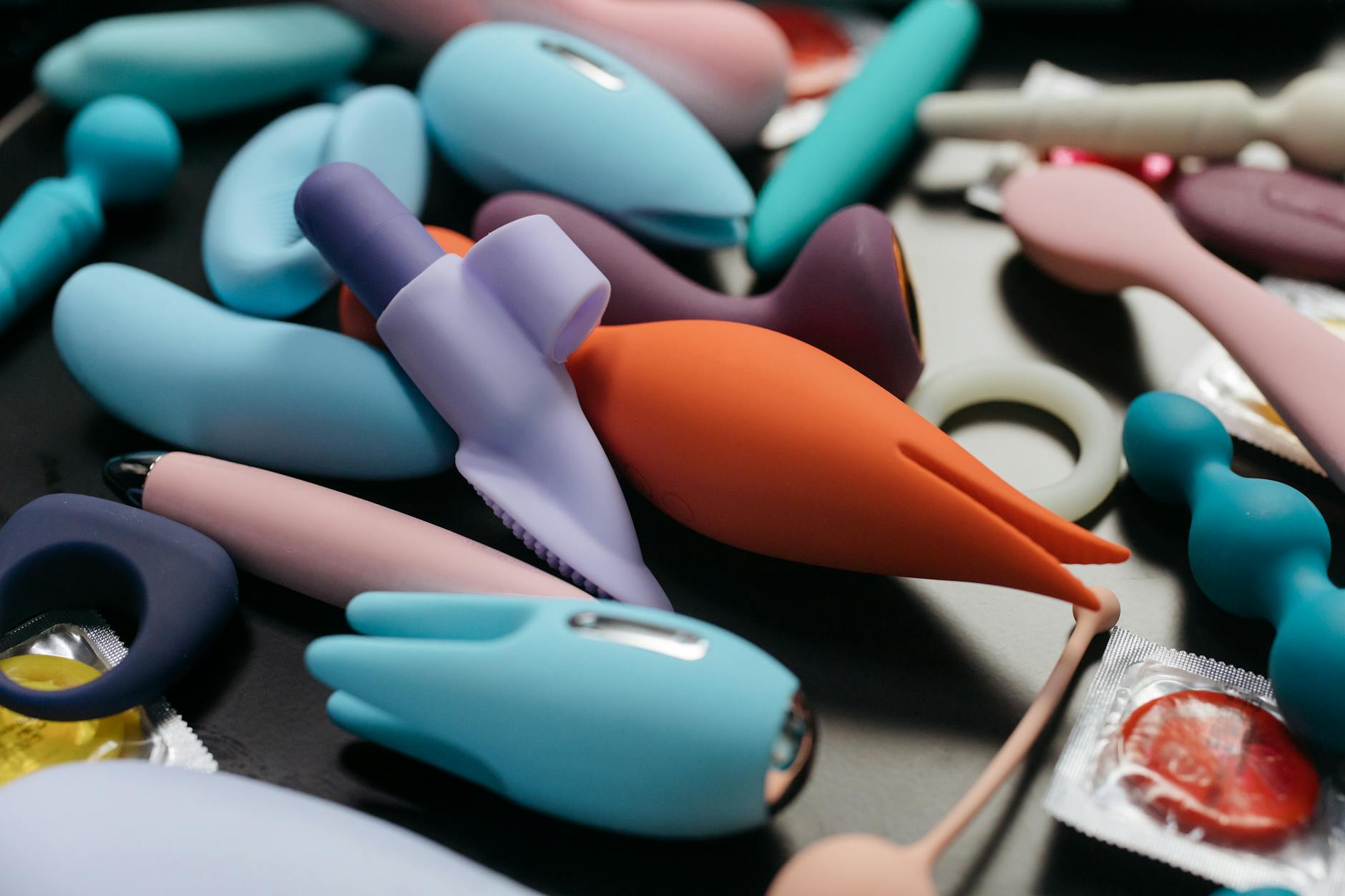
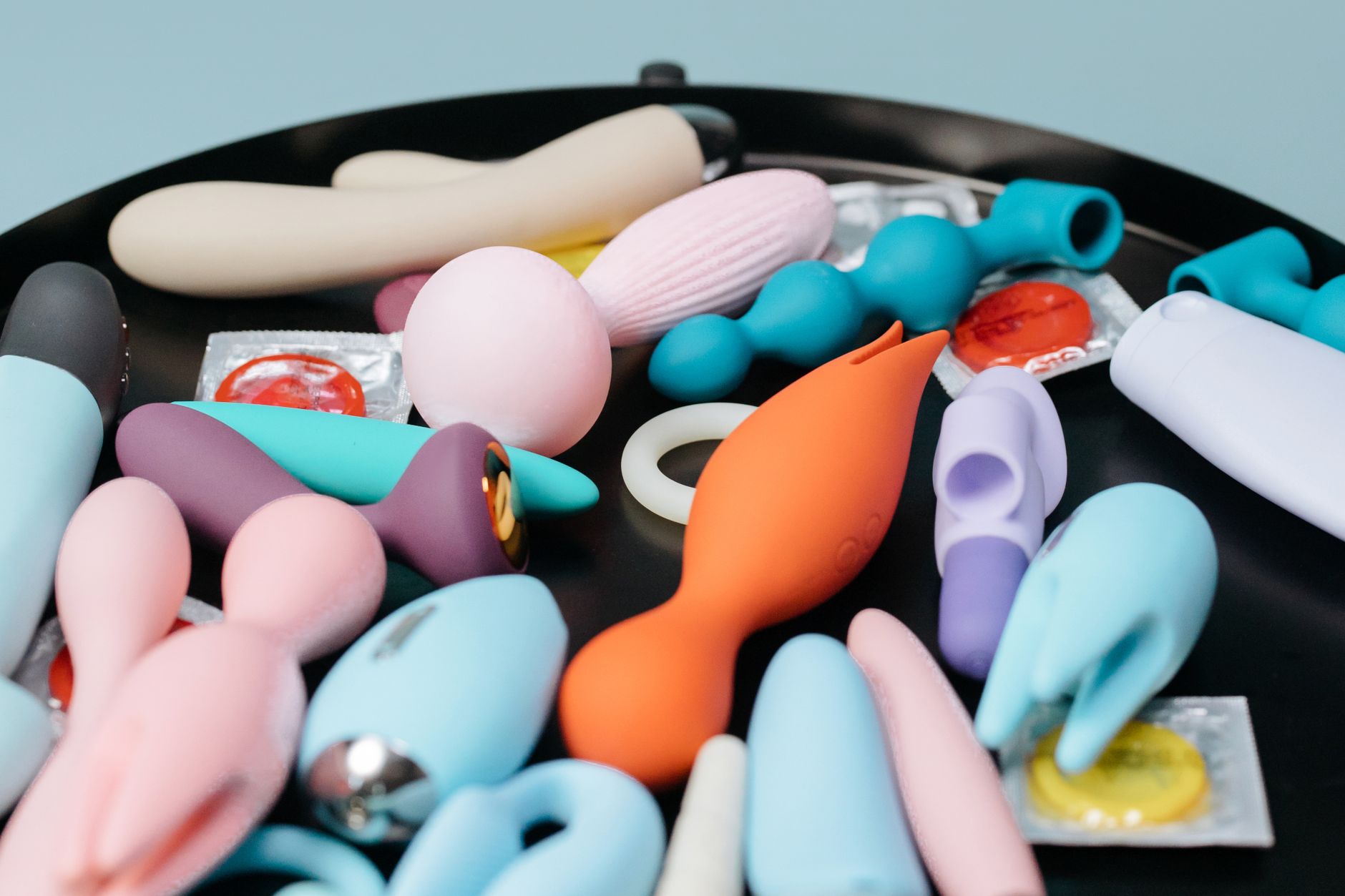
Let's be real: a lemon vibrator is supposed to feel good. If it's causing pain instead, something's off. And I don't mean "oh, that's just intense" off. I mean actual pain, discomfort, or that sharp feeling that makes you want to stop immediately.
The good news? Almost every pain point during lemon vibrator use is fixable. Some fixes take 30 seconds. Others need a conversation with your body or a conversation with a doctor. Let's walk through them.
First, understand the difference. There's sensation pain (too much intensity too fast, wrong angle) and tissue pain (irritation, infection, sensitivity). The fixes are completely different, so identifying which one you're dealing with is the first move.
Sensation pain usually announces itself immediately. You turn it on, you feel "no, that's too much," and you want to stop. Tissue pain might build slowly or feel like soreness after the fact. Both are telling you something.
This is the most common reason. A lemon vibrator like the Lem has multiple intensity levels and patterns for a reason. Many people, especially those new to clitoral vibrators or returning after a break, jump straight to pattern 3 or 4.
Your clitoris has over 8,000 nerve endings packed into a tiny area. That sensitivity is a feature, not a bug. But it means it doesn't need much to feel sensation. Starting at level 1 isn't boring. It's smart.
Here's the protocol: begin at the lowest setting and the most gentle pattern (usually a steady buzz rather than a pulsing or wave pattern). Spend two to three minutes there. Let your body warm up to the sensation. Increase intensity by one level every few minutes. You're not racing to an orgasm. You're building arousal.
If you've never used a lemon clitoral vibrator before, this approach alone fixes pain in about 70% of cases.
Dry tissue plus vibration equals friction pain. Full stop.
Your body might not be producing lubrication yet (you haven't been stimulated long enough, you're stressed, you're dehydrated, your hormones are shifting). Or you're using a toy on areas that don't naturally self-lubricate much.
Solution: water-based lube. A small amount goes a long way. Apply it directly to your vulva and to the toy. Reapply if it dries out. This single step often eliminates sharp or burning sensations within seconds.
If you have a partner, lubrication also helps during shared use. If you're exploring solo, it's just as essential. Think of it the same way you'd use sunscreen or moisturizer. It's not a sign something's wrong. It's maintenance.
The clitoris isn't a flat target. It has a hood, internal and external parts, and nerves distributed unevenly. A lemon vibrator works best when angled correctly.
For the Lem specifically, the suction cup design means angle matters. If you're pressing straight down with hard pressure, you might be hitting sensitive tissue at an uncomfortable angle. Try adjusting: angle slightly upward, use lighter pressure, or move the toy slightly to find the sweet spot.
The right angle should feel like "yes, that's it," not "ouch." You'll know it when you find it because discomfort drops and sensation improves.
If pain lingers after use, feels sore for hours, or you notice redness, swelling, or discharge, irritation or infection might be at play.
Possible culprits:
Toy material: Some people react to certain silicone formulations. If you've switched toys recently, that timing might not be coincidence.
Sensitivity flare-up: Stress, hormonal changes, or certain foods can make tissues hypersensitive temporarily.
Infection beginning: A yeast infection or bacterial vaginosis can cause pain during and after stimulation. You might also notice discharge, odor, or itching.
Skin sensitivity: Irritation from clothing, sweat, or friction earlier in the day can compound.
If soreness lasts more than a day, see a gynecologist. This isn't an edge case. It's a smart move.
Here's something that catches people off guard: tension causes pain. If you're anxious, self-conscious, or just holding your breath, your pelvic floor muscles tighten. Tight muscles plus vibration can create sharp or aching sensations.
Instead, focus on relaxing. Yes, the pelvic floor muscles engage during arousal and orgasm naturally. But going in tense is like trying to run a marathon without stretching first.
Before using your lemon vibrator, take three deep breaths. Consciously relax your pelvic floor. You can practice this by doing the opposite of a Kegel: instead of clenching, soften and release. Then approach the toy.
Most people find that this shift alone changes the experience from uncomfortable to surprisingly pleasant.
If you're using a lemon vibrator with a partner and it hurts, the friction dynamics change. Two bodies moving, different pressure points, less control over angle.
Talking about it openly matters here. Does it hurt when they hold the toy? When they're inside you? When it's at a particular angle? The answers point toward the fix. You might need to slow down, add more lubrication, or adjust positioning.
If pain is new and you were comfortable with the toy solo, the difference is usually pressure or angle during shared use. A quick conversation and small adjustment usually solves it.
Pain that doesn't improve with the above fixes, pain that worsens over time, or pain accompanied by other symptoms (unusual discharge, bleeding, persistent swelling, or pain during other activities) warrants a doctor visit.
Genitourinary syndrome (sometimes called atrophic vaginitis) is common, especially as hormones shift, and it's highly treatable with topical estrogen creams or other approaches. A good gynecologist will take this seriously because it is serious. Your pleasure matters, and pain is your body's way of saying something needs attention.
You don't need to feel embarrassed about mentioning you use a vibrator. Most doctors are unfazed. If yours reacts judgmentally, find a new one.
Before you assume there's a bigger problem, run through this:
Start at the lowest intensity level and build up slowly.
Add water-based lubrication generously.
Relax your pelvic floor and take slow breaths.
Adjust the angle slightly until discomfort eases.
If using with a partner, communicate about pressure and positioning.
Wait 24 hours. Does soreness improve? If yes, likely just adjustment.
If pain persists, see a gynecologist.
Most pain during lemon vibrator use disappears within the first few uses once you dial in the right settings and angle for your body. You're not broken. Your toy isn't defective. You're just learning the conversation between your body and this tool.
Light cramping during or immediately after use can happen, especially if you're holding tension or if the toy is pressing on internal structures. This usually passes. Cramping that lingers for hours, feels severe, or is new and recurring suggests something else is going on. Try reducing intensity, using less pressure, and relaxing your pelvic floor. If it continues, check with your gynecologist.
Not from the vibrator itself if it's clean and made of body-safe silicone. However, vibrators can introduce bacteria if they're not washed before use, if they're used on multiple partners without cleaning between, or if they're used anally and then vaginally without thorough cleaning. Always wash your toy before and after use with warm soapy water or a toy cleaner. This prevents infection far more effectively than worrying after the fact.
This is called accommodation or habituation. Your nervous system adapts to sustained stimulation, which is why the sensation feels less intense even if the vibrator hasn't changed. The fix is simple: pause, rest for 30 seconds to a minute, then resume. You can also alternate between patterns or intensity levels to keep the sensation fresh. This is normal and not a sign that sensitivity is declining permanently.
No. Your clitoris has thousands of nerve endings, and brief, occasional vibration doesn't damage them. Even regular use doesn't cause permanent nerve damage if you're using the toy correctly and at reasonable intensities. You might experience temporary numbness during or immediately after use, but that resolves within minutes to hours.
This depends on your specific diagnosis and your doctor's recommendation. Vulvodynia and vaginismus both involve pain and tension, and stimulation can sometimes irritate these conditions. However, some people find that gentle, controlled vibration, used thoughtfully and with medical guidance, can help with gradual desensitization. Always check with your gynecologist or pelvic floor specialist first. They can tell you if vibrator use is appropriate for your situation and, if so, how to approach it safely.
Yes, absolutely. Water-based lubricant is safe with silicone toys and is actually the best choice. Silicone-based lubes can degrade silicone toys over time. Always use water-based lube with silicone vibrators like the Lem or other Hello Nancy products. Apply it to your vulva and the toy for comfort and reduced friction.
Pain during vibrator use is your body's feedback, not a sign you should stop using toys altogether. Most pain points are fixable with small adjustments to intensity, lubrication, angle, or timing.
If you've worked through the basics and pain persists, that's your cue to see a gynecologist. They can rule out infection, irritation, or other medical issues and help you move forward.
Your pleasure matters. That's not a luxury belief. It's foundational to sexual health and relationship satisfaction. If something hurts, fix it. Your body will thank you.