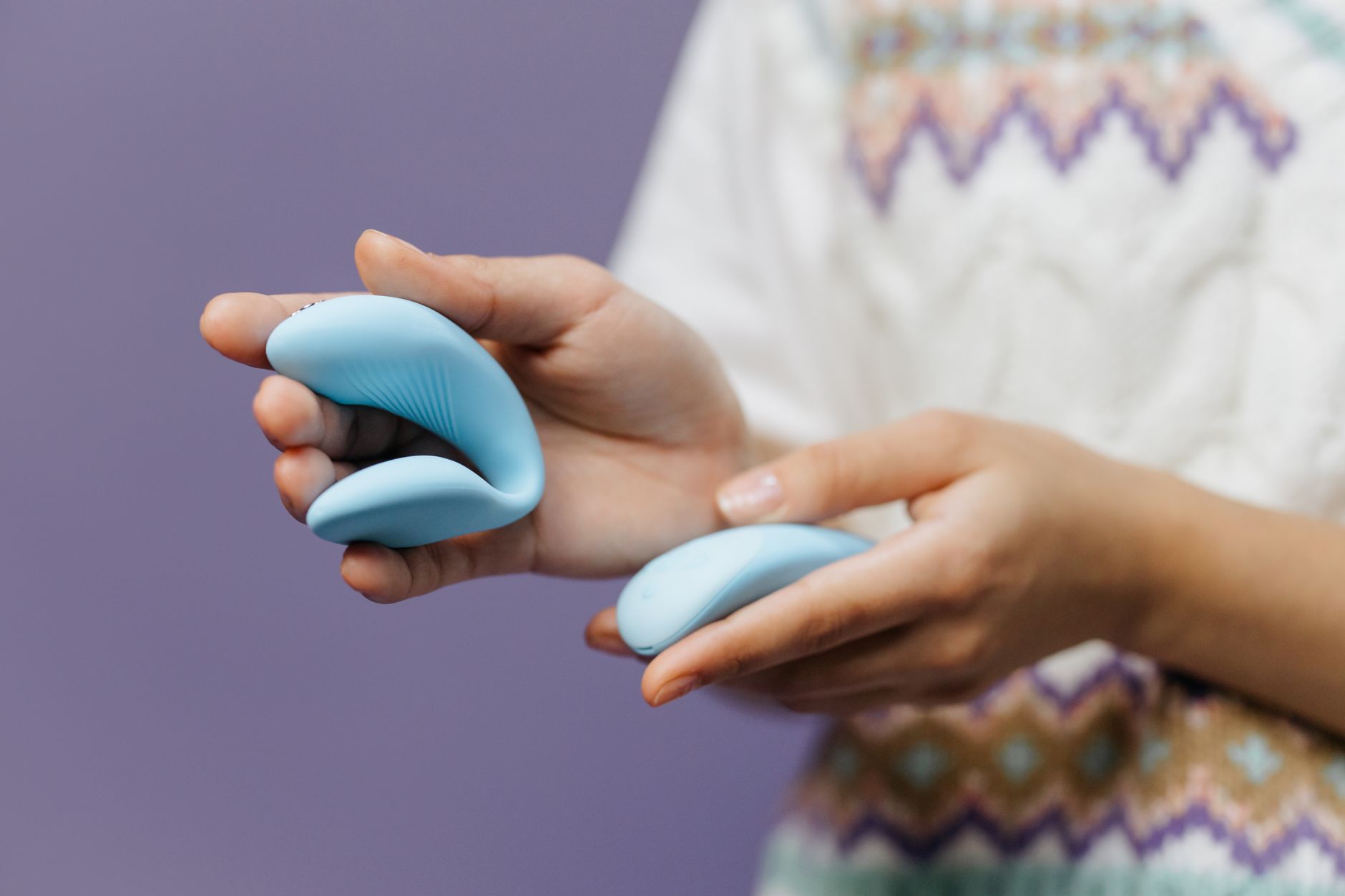
What changes after surgery, when your body is actually ready, and how lemon clitoral vibrators fit into the recovery picture — straight from a relationship therapist who's supported dozens of couples through this transition.
Your surgeon hands you a discharge sheet that says "no penetration for six weeks" and then vanishes. Your partner awkwardly avoids the topic. And you're left wondering if things will ever feel the way they did before, or if pleasure is now something that happens to other people.
Let me be direct: pleasure after hysterectomy is different, but it's absolutely achievable. And it often improves. Here's why, and how to get there safely.
Remove the uterus and the organ itself stops being part of your orgasm. For some people this means nothing shifts. For others it transforms the sensation entirely. Here's the physiology.
Orgasms happen in layers. The clitoral network (nerve endings in the vulva, clitoris, and vestibule) fires independently of the uterus. The vaginal wall contributes its own sensation. The pelvic floor muscles contract. The uterus used to contract too, adding a deeper wave. Remove it and that deepest wave is gone.
But here's the part that changes everything: without the uterus taking up space, many people report that other sensations become sharper. The pelvic floor can relax more fully. The vaginal opening sometimes feels more sensitive, not less. Your partner's touch, a lemon clitoral vibrator, your own hand. everything lands differently because there's less competing for attention.
Some people miss that uterine contraction and mourn it. Others feel released by it. Both reactions are legitimate.
Surgeons say six weeks. That's the time it takes the surgical site to seal up enough that penetration won't introduce infection. It's not the time it takes for your nervous system to be ready.
Here's what happens in those six weeks:
Weeks 1-2: Pain, swelling, medication. Not the time to think about pleasure.
Weeks 3-4: Energy returns slightly. You're not quite ready, but you might start thinking about it. This is normal.
Weeks 5-6: The surgical site heals. Your body says "okay, penetration is safe now." But your nervous system might still be in protection mode. Pain medications dull sensation. Anesthesia lingers. Your pelvic floor is tight from guarding the surgical area.
Weeks 7-10: This is when most people feel genuinely ready to try something. Solo play first. A lemon vibrator, maybe. Low setting. Your own pace.
Some people need longer. Abdominal hysterectomy (full incision) takes more recovery than vaginal or laparoscopic. If yours was abdominal, give yourself an extra 2-3 weeks before expecting much sensation.
The doctors can't predict your timeline because it depends on your nervous system, your pain levels, your emotional readiness, and your pelvic floor function. That's why the "six weeks" guideline is a floor, not a ceiling.
After hysterectomy, your pelvic floor is in lockdown. It spent six weeks bracing against surgery and pain. It's tight, tired, and defensive. And tight pelvic floor muscles mean flatter sensation and slower arousal.
This is why you might feel numb or disconnected even after the surgical site heals. It's not that the nerve endings are gone. It's that the muscles guarding them are locked.
Three things to do:
First, learn to relax it. Kegel exercises (squeezing) are the opposite of what you need right now. You need to release. Gentle internal massage if your surgeon cleared it. Breathing into the pelvic floor. Stretching the hips and inner thighs. If you're tense everywhere, your pelvic floor is tense too.
Second, warm yourself up for longer than you think you need. Post-hysterectomy bodies take 20-30 minutes to fully arouse, sometimes more. This is temporary. Your nervous system is recalibrating. Budget the time and it changes everything.
Third, start with external stimulation only. A lemon vibrator on the clitoral area, no penetration. The lem's air-suction design works particularly well here because it doesn't require deep insertion or aggressive friction. It wakes up nerve endings gently. You're teaching your body that pleasure is safe again.
Numbness. Tingling. Sharper sensitivity. Duller sensation. Feeling more or less aware of touch than before. All of this is normal. Your nervous system is remapping.
The surgical site itself might feel a bit firm or tender internally for months. That resolves slowly. Don't interpret it as permanent.
If you're on pain medication, that's actively dampening sensation. Once you taper off (and you will, slowly), sensation comes roaring back. This is actually good news. It means you're not permanently numb. You're temporarily medicated.
Many people report that their orgasms actually feel better after recovery. Sharper. More localized. Easier to achieve. Without the uterine sensation competing, some folks feel more present and connected to clitoral pleasure. Others feel relieved of a monthly heaviness they didn't know they were carrying.
If your surgeon cleared penetration and you want to try something, here's the roadmap.
Start external. A lemon vibrator set to pattern 1 or 2 on the clitoris and surrounding tissue. Not inside. You're rewiring the pleasure response, not testing penetration depth. Five to ten minutes. No pressure to orgasm. This is about sensation, not outcome.
Use plenty of water-based lubricant. Post-surgical tissue is often a bit drier than normal for a few months. Lube reduces friction and makes everything feel easier. It also signals to your body that this is safe and pleasurable, not invasive.
If anything hurts, stop. Sharp pain is your body saying no. Mild discomfort or strangeness is different. You're relearning sensation. Weird is normal. Pain is not.
Spread these sessions out. Not every day. Every three to four days gives your nervous system time to integrate the experience. You're not training for endurance. You're gently asking your body to remember pleasure.
Once external feels genuinely good and you've done that for a few weeks, then you can revisit the question of penetration, if that mattered to you before. And it might not. Many people find that lemon vibrator external play is completely sufficient.
Here's something nobody talks about: the pelvic floor's job changes after hysterectomy. It no longer has a uterus to support. It's protecting less and can relax more. This is actually an advantage for pleasure, but only if you let it relax.
Tight pelvic floor means even light vibrator sensation feels muted. Relaxed pelvic floor means the same vibration lands loud and clear. So the single biggest thing you can do for post-hysterectomy pleasure is learn to release that tension.
This isn't a one-time thing. It's a skill. Breathing into the pelvic floor. Stretching daily. Maybe working with a pelvic floor physical therapist if sensation doesn't improve after three months. They can assess whether tightness is protective (needs gentle release) or compensatory (needs different intervention).
Once your pelvic floor relaxes, sensation comes back. And it often comes back stronger.
If pain persists past week eight, mention it. If numbness doesn't improve after four to five months, ask about it. If you're having trouble relaxing the pelvic floor and simple stretching isn't helping, a pelvic floor physical therapist is worth the investment. They're trained for exactly this.
Your surgeon might also check for adhesions (scar tissue that can cause discomfort). If that's a factor, there are treatments that help.
Honestly though? Most post-hysterectomy pleasure recovery happens quietly, on your own timeline, with patience and the right tools. A lemon vibrator. Time. Permission to feel strange for a bit and then better.
Hysterectomy is medically routine and emotionally significant. You lost an organ. Your body changed. Your pleasure response changed. Your partner might feel uncertain about how to touch you now. You might feel uncertain about who you are without the organ that defined so much.
This grief is real. And it doesn't disappear just because the surgical site heals. You can simultaneously be relieved to be surgery-free and genuinely sad about what's gone. Both are true.
That's where patience comes in. Pleasure after hysterectomy isn't about rushing back to "normal." It's about discovering what your body is actually like now. And often, when people allow time and gentleness, what they find is better than what came before. Different, but better.
Most surgeons clear external stimulation around week seven or eight, once your pelvic floor has started to relax and initial swelling is down. Penetrative use (if you were using vibrators that way before) usually waits until week ten or beyond. But the real timeline isn't the weeks. It's when your body feels ready. Start slow, external only, and pay attention to how your body responds.
Yes, absolutely. Without the uterus contributing to orgasm sensation, the pleasure pattern changes. Some people feel it's sharper and more localized. Others feel a bit flatter initially and then realize they're just experiencing post-operative numbness that improves over months. The lem's air-suction design is particularly good for post-surgery bodies because it doesn't require the kind of friction that can irritate healing tissue.
Yes. The clitoral and vaginal nerve networks are still intact. The uterus's contribution to orgasm is real but not essential. Most people regain full orgasmic function after recovery. Some report even more intense orgasms once the pelvic floor relaxes and they're not guarding against pain anymore.
No. Numbness and odd sensations in the first few months are normal and temporary. They improve significantly by month four to six. If numbness persists past that, it's worth mentioning to your surgeon or a pelvic floor physical therapist. But for the vast majority of people, full sensation returns.
That depends on your relationship and communication style. Some couples navigate this together. Some partners feel relieved knowing their person is taking care of pleasure in a safe way during recovery. Others need space. What matters is that you're not hiding something out of shame. You're recovering. A lemon clitoral vibrator is a tool for that recovery. Frame it that way.
That's unusual but not rare. Pelvic floor tension, scar tissue, or lingering nerve inflammation can all slow sensation return. This is when a pelvic floor physical therapist becomes invaluable. They can assess what's actually happening and give you targeted exercises. Most people see significant improvement within four to six weeks of PT.
Recovery looks different for everyone. Some people feel ready to explore pleasure at week seven. Others need a full year. Neither timeline is wrong. Your body is healing. Your nervous system is recalibrating. Your pelvic floor is learning to release again. That's work, even when it doesn't feel like work.
When you're ready to explore pleasure again, whether that's with a partner or solo with a lemon vibrator, know that sensation often returns stronger than before. The organ is gone. The capacity for pleasure is not. Give yourself time to discover what that looks like for you.