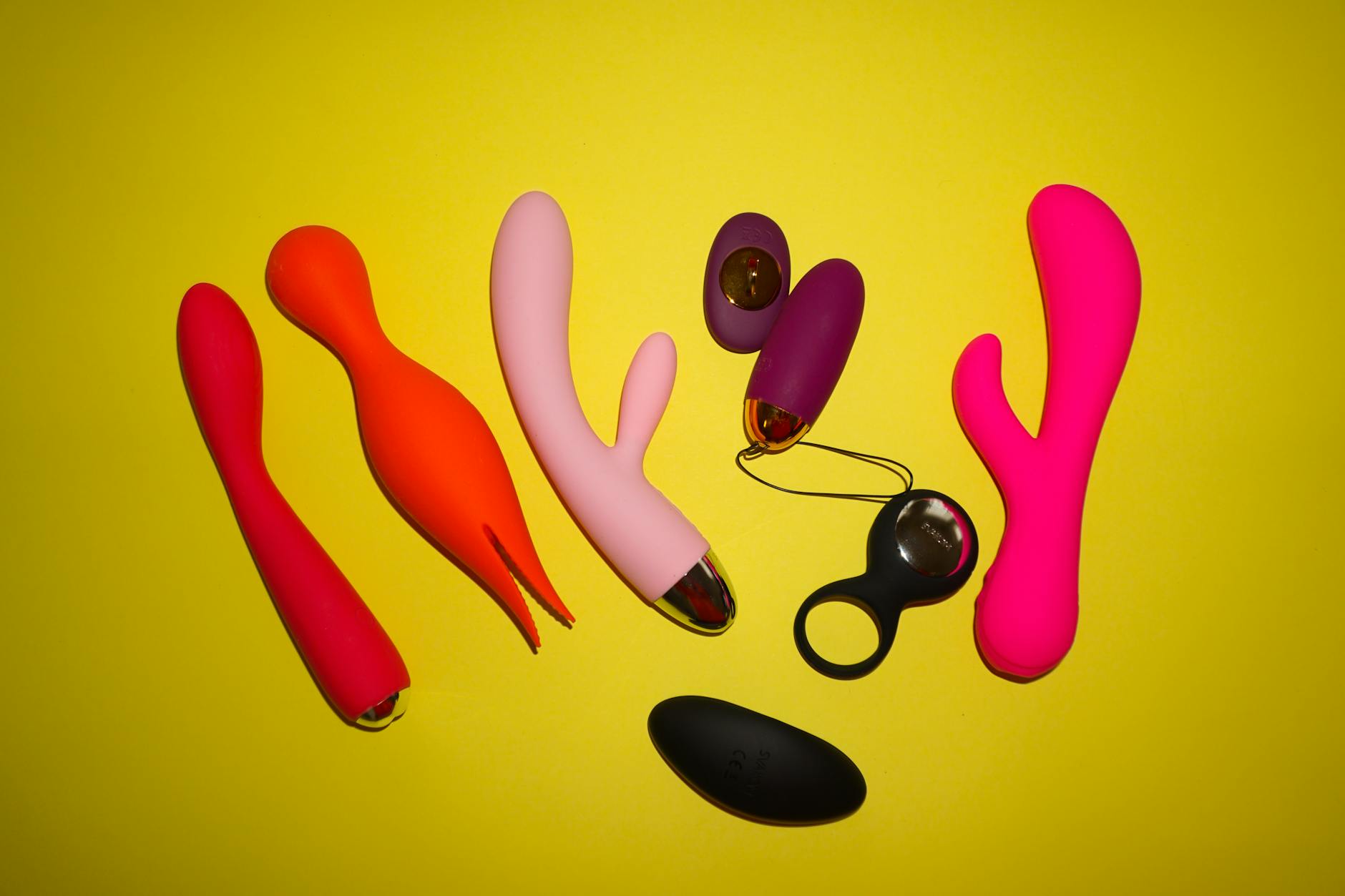
SSRIs are lifesaving. They also flatten arousal and make orgasm feel distant. Here's what actually works to reclaim sensation without stopping medication that's working.
Antidepressants save lives. SSRIs (selective serotonin reuptake inhibitors) are effective, well-tolerated, and for many people, the difference between managing depression and drowning in it. They're also notorious for flattening sexual response. Arousal takes longer. Orgasm feels muted or impossible. Desire disappears.
Here's the part that matters: this is not a reason to stop taking them. But it also doesn't mean you're stuck accepting flatlined pleasure for the rest of your life.
Serotonin doesn't just regulate mood. It also suppresses dopamine in the brain's reward pathways, which is part of how these medications work for depression. But dopamine is central to sexual pleasure, arousal, and the building tension that leads to orgasm. When serotonin goes up, dopamine in certain circuits goes down. This is the trade-off.
The mechanism is real, and it's not psychological. Your brain chemistry has actually shifted. That means solutions need to work with your neurobiology, not against it.
About 40 to 60 percent of people on SSRIs experience sexual side effects. That's not rare. That's a design feature of the medication, not a personal failing.
Lemon clitoral vibrators like the Lem work through suction and pulsing patterns rather than pure vibration. Here's why that matters when you're on antidepressants.
Traditional vibrators require your nervous system to build sensation in a linear way. They start subtle and escalate. When SSRIs flatten your baseline arousal, that linear climb becomes an impossible slope. You're waiting for sensation that might never arrive.
Suction-based lemon vibrators bypass that. They create immediate, concentrated stimulation at the clitoris. This doesn't rely on your arousal building gradually. Instead, it floods the area with direct sensation, which can jumpstart the neural pathways that SSRIs have quieted.
Many of my clients on SSRIs report that switching to a lemon vibrator restored orgasm when nothing else worked. Not because it's a magic device, but because it works with how antidepressants reshape pleasure instead of fighting against it.
If you're on an SSRI, you've probably noticed that sexual response has a peak window and then a trough. Most SSRIs reach peak concentration in your bloodstream about 4 to 6 hours after you take them. But sexual side effects often worsen later in the day or when the medication levels are most stable.
Experiment with timing. Some people find that pleasure is more accessible in the morning, before the medication reaches peak levels. Others find it works better at night when they're not thinking about work or worrying. A few find that the second morning after a dose offers better sensation than right after taking it.
This is deeply individual. But mapping your own response to when you take your medication can reveal windows where sensation is more available. Use those windows.
Start with the highest intensity first, then work downward if needed. This is the opposite of how most people use vibrators.
When your baseline arousal is suppressed, lower settings often produce no sensation at all. You're essentially testing the equipment without actually stimulating anything. This kills the experience and sends the message that pleasure isn't available, which deepens the flatness.
Instead, begin at pattern 3 or 4 on your lemon vibrator. Let the suction and pulsing create the sensation that your nervous system is struggling to generate on its own. Once you've crossed into arousal, you can dial down to softer patterns. But getting there requires more direct intervention.
People on SSRIs sometimes tell me they've given up on pleasure because "nothing works anymore." What usually happened is they tried the same routine that worked before medication and expected the same result in half the time.
On antidepressants, foreplay and warm-up need to be longer, more direct, and less dependent on mental arousal. Budget 20 to 30 minutes for sensation to build. Use a lemon vibrator for 5 to 10 minutes before you expect orgasm, not as a final sprint.
If you have a partner, this is a conversation worth having explicitly. "My medication means I need more direct stimulation and more time" is different from "I don't want you anymore." Splitting those conversations apart matters.
Water-based lubricant amplifies what a lemon vibrator does. Because suction works partly through skin contact and partly through vacuum pressure, lube changes the dynamic. Some people find it enhances sensation. Others find it dilutes the suction effect.
Test both. Dry use, light lube, and generous lube will feel completely different. When arousal is already muted, you need to know which variation your body prefers.
Honestly though, for people on SSRIs, lubrication usually helps. It extends the window where stimulation feels good and reduces the pressure required to generate sensation. Plus, if thin tissue or reduced lubrication is also part of your SSRI side effects, external lube addresses that directly.
If sexual function is severely impacting your quality of life, your psychiatrist or prescribing doctor has options.
Switching to a different SSRI sometimes helps. Not all SSRIs flatten sexual response equally. Sertraline tends to hit arousal harder than fluoxetine, for example. This is individual, but your prescriber can discuss alternatives if sexual side effects are unacceptable.
Other strategies include taking your dose at a different time of day, adding a brief medication vacation (not without discussing it first), or augmenting with bupropion, which actually enhances dopamine and can counteract sexual flattening.
The point: you don't have to accept this as permanent. But you also don't have to stop medication that's working for your mental health. Work with your provider to find solutions.
When pleasure becomes difficult, people often blame themselves. "I'm broken. My body doesn't work anymore. I should just accept this."
None of that is true. Your medication is doing its job. Sexual response is a side effect of that job, and it's worth solving, but not worth sacrificing your mental health over.
Let yourself grieve what changed. Then let yourself experiment with what works now. Using a lemon clitoral vibrator differently, timing pleasure differently, needing more direct stimulation. These aren't failures. They're adaptations.
If you're in a partnership, this transition can actually deepen connection if you approach it with curiosity instead of resentment. "Here's what I'm discovering about how my body responds now" is an invitation. It's not a setback.
Yes. The mechanism is the same regardless of whether you're on one SSRI or a combination of medications. The key is that your baseline arousal is suppressed, and a lemon vibrator's direct suction effect can work around that. However, if you're on multiple psychiatric medications, sexual side effects might be compounded. This is another reason to loop in your prescriber about what's happening. They might adjust dosing, timing, or the medication combination itself.
No. The sexual flattening from SSRIs doesn't improve with repeated stimulation or "training" your nervous system. What does improve is your skill at finding the settings, timing, and approach that works. Pleasure might become more consistent as you learn your body's response, but the underlying medication effect doesn't change. That's why adjusting your approach matters more than hoping things improve on their own.
There's no rule that says you can't. But honestly, most people find that using it 3 to 4 times a week creates a better balance between maintaining sensation and not creating dependence on needing the device every time. The pelvic floor also benefits from rest days. If you want daily use, go for it. Just notice whether sensation stays consistent or becomes less responsive over time, and adjust accordingly.
Absolutely. Because SSRIs suppress arousal at baseline, switching between patterns can sometimes restart sensation if things plateau. If you're on pattern 3 and sensation is fading, jumping to pattern 5 for 30 seconds, then back to pattern 3 can sometimes break that plateau. Think of it as novelty. Your nervous system isn't responding to the same stimulus, so changing it midway sometimes works.
Yes and no. If you're on SSRIs and a lemon vibrator feels overwhelming at high intensity, it might mean your pelvic floor is holding tension in response to the general flattening you're experiencing. Tension and arousal suppression often go together. Start at lower intensity and spend time on the gentler patterns. Also, talk to your prescriber about the tension piece. Pelvic floor physical therapy sometimes helps with SSRI sexual side effects as a complement to other strategies.
Yes. Combine device use with lubricant, timing adjustment, longer warm-up, pelvic floor relaxation, and communication with your partner if applicable. You can also talk to your prescriber about adjusting your medication schedule or switching SSRIs. And if you're interested in deeper work, a therapist or sex educator who understands SSRI side effects can help you navigate the emotional piece alongside the practical one. A lemon clitoral vibrator is a tool, not a solution by itself. But combined with other approaches, it often restores pleasure that SSRIs have taken.
SSRIs work for your mental health. That matters more than sexual side effects, and that's not a choice you should have to make. A lemon vibrator, adjusted timing, lubrication, and communication with your prescriber create a path forward where you keep the medication that's saving you and reclaim pleasure that felt stolen.
Your body isn't broken. Your medication changed the landscape. Tools like a lemon clitoral vibrator are designed for exactly this kind of shift. Treat them that way, and treat yourself with the patience you'd offer a friend navigating the same thing.
If you're still struggling after trying these approaches, reach out. A therapist who specializes in both relationship dynamics and medication side effects can help you work through this with your prescriber. Visit /contact to connect.