Let's be honest. Rejection in an intimate context doesn't just wound your feelings. It colonizes your body. You start second-guessing how you touch yourself, whether your pleasure is worth prioritizing, what about you failed to turn someone on. Your clitoris becomes a reminder of the thing that didn't work, rather than a source of uncomplicated sensation.
That's the gap we're closing here. Rebuilding sexual confidence after rejection isn't about waiting for the right person to come along. It's about remembering that your pleasure is independent of someone else's desire. And a lemon clitoral vibrator can be your most direct route back to that truth.
Rejection after sex (or a sexual encounter) hits differently than garden-variety romantic rejection. When someone doesn't want you sexually, the message your brain receives is: something about your desirability is fundamentally wrong. Your body becomes the culprit. You replay the scene. You scrutinize your anatomy, your technique, your responsiveness. You wonder if you were too wet, not wet enough, too eager, too reserved.
This is especially true if the person explicitly cited sex or physical attraction as the issue. "I don't feel the spark." "The chemistry isn't there." "I'm not attracted to you physically." These phrases embed themselves in your nervous system in a way that regular breakups don't.
The result: many people develop what I call sexual self-doubt. They avoid solo pleasure because it feels too raw. They approach partners with a defensive posture, checking for signs of rejection before they can be rejected. They disconnects from their own arousal cues because noticing desire feels dangerous.
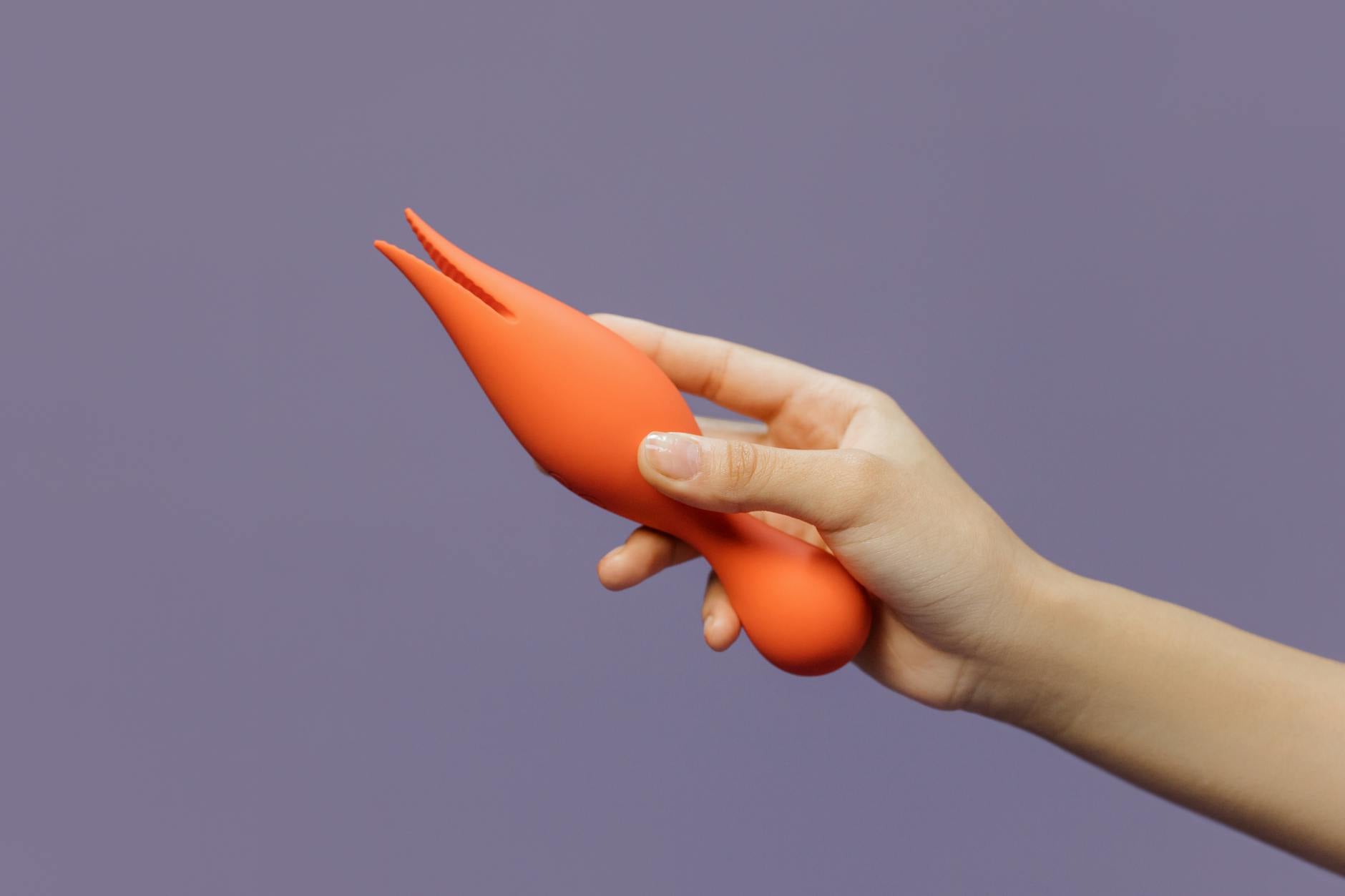
Here's the thing about air-suction clitoral vibrators like the Lem: they're teaching tools. They show your nervous system that your clitoris responds, that pleasure builds predictably, that your body is still a source of straightforward sensation. They're not waiting for someone else to validate your sexuality. They're generating evidence.
When rejection has damaged your sexual confidence, you need that evidence. Not as a band-aid, but as a foundation.
A lemon clitoral vibrator does three specific things:
First, it decouples pleasure from performance. You're not using it to impress someone or to achieve anything except sensation. The only standard is your own comfort. This removes the core source of post-rejection anxiety: the fear of failing again.
Second, it rebuilds body literacy. Rejection makes you doubt your own signals. Using a lemon vibrator solo reintroduces you to your own arousal patterns. You learn how long it takes, what rhythm works, when intensity needs to shift. You gather fresh data about your body rather than recycling shame.
Third, it separates sexual confidence from romantic outcome. You can absolutely feel sexually confident while being currently single, partnered with someone who isn't sexually aligned with you, or taking a genuine break from sex. A lemon clitoral vibrator makes that clear because it proves pleasure doesn't require another person's involvement or approval.
You probably won't feel ready immediately. Rejection creates a protective numbness. Your body might feel distant or foreign. That's normal. Here's what a realistic recovery arc looks like with a lemon vibrator:
Weeks one to two: Permission and exploration. You might start with settings one or two, just checking in with yourself. No performance pressure. Some sessions will feel affirming, others will feel nothing. Both are fine. You're reacquainting yourself with sensation without judgment. Many people report feeling more "present" in their body during this window, even if orgasms feel distant.
Weeks three to four: Pattern building. You'll start noticing rhythm. You might discover that pattern three hits differently than pattern two. You might find that arousal takes longer but builds deeper. You're gathering data about yourself again. This is where confidence starts shifting because you're proving to yourself that your body works.
Weeks five to eight: Reclamation. By this point, using a lemon clitoral vibrator feels less like therapy and more like simple pleasure. You might have orgasms that feel rich and unguarded. You might feel okay with your body for the first time since the rejection. You might also notice that you're not performing pleasure for anyone, even yourself. It's just happening.
This timeline varies wildly. Some people move through it in three weeks. Others take three months. Grief doesn't follow a schedule, and sexual confidence is tied directly to emotional processing.
When you're ready to start, reduce friction wherever you can. This means:
Timing. Pick a moment when you have at least 20 minutes and no obligation afterward. Not rushed sex, not a quickie check-in. Real time. Your nervous system needs to know there's space.
Environment. Clean sheets. Phone on silent. Bedroom door locked if you're not alone. Candles, music, or simple quiet. Whatever helps you feel safe. You're not performing this for an audience, so design it entirely around what makes you feel relaxed.
Lubrication. Even if you never needed it before, water-based lubricant removes one layer of friction (literally and emotionally). It says: I'm taking this seriously. I'm being kind to myself. It also ensures the lemon vibrator's suction mechanism works optimally.
Starting point. Begin with pattern one or two. Let your body acclimatize. Spend two to three minutes at the lowest setting before moving up. Arousal takes time after rejection because your nervous system is cautious. Honor that. There's no rush.
Sensations to expect. Air-suction technology is gentler than traditional vibration. You'll feel pressure and pulsing rather than buzzing. It's less intense on sensitive tissue, which matters post-rejection when you might feel raw or protective of yourself. The sensation should feel warming and building, not aggressive.
Using a lemon clitoral vibrator after rejection isn't just about orgasms. It's about the internal narrative shift that happens when you prove to yourself that rejection didn't break you sexually.
You start to separate the rejection from your desirability. You realize the person who rejected you made a choice based on their alignment, their attraction, their capacity at that moment. That choice doesn't redefine your sexual worth.
You also start to notice something counterintuitive: your pleasure improves when you stop trying to make it look a certain way. When you're alone with a lemon vibrator and there's no one to perform for, arousal often comes faster and deeper than it did before. This is evidence that your shame was the bottleneck, not your body.
Many of my clients report that solo pleasure with a lemon clitoral vibrator becomes a quiet affirmation. Not in a self-love-journal kind of way, but in a physical, undeniable way: your body works. You deserve sensation. You can give yourself what you need.
Eventually, you might want to have sex again. Or you might be in a relationship and working through post-rejection numbness with a partner who genuinely cares. Here's what shifts when sexual confidence is rebuilding.
First, you'll likely approach new partners with clearer communication. You'll say: "Here's what I like." You'll demonstrate it. You won't apologize for your body's needs. How to Use a Lemon Vibrator With a Partner Who Wants to Participate covers this in depth, but the shorthand is: a partner who respects your pleasure respects your use of tools that help you access it.
Second, you'll stop conflating partner desire with your sexual worth. You'll understand that attraction is bidirectional or it isn't. If someone doesn't want you, you can feel complete sadness about that without translating it to "I'm not desirable." Those are different facts.
Third, you might keep your lemon vibrator in your routine regardless of partnership status. Many people do. It's not a "when you're single" tool. It's a "when you want straightforward pleasure" tool. And that's a healthy place to land.
If weeks eight or nine arrive and you still feel numb or disconnected from pleasure, talk to someone. That's not failure. Rejection sometimes unearths deeper wounds around sexuality, body image, or past trauma. A therapist who specializes in sexual health can help you untangle what's going on.
Similarly, if pleasure triggers intense sadness or anxiety, don't push through it alone. That information is valuable, and working with a professional can help you process what's underneath.
A lemon vibrator is a powerful tool for rebuilding sexual confidence. But it's not a substitute for emotional processing when rejection has cracked something deeper.
Most people report feeling genuinely comfortable (not just going through the motions) within four to eight weeks. But "normal" is relative. You might feel fine at week three and then have a setback at week six when you see the person who rejected you. Emotional processing isn't linear, and sexual confidence rebuilds in waves.
Absolutely. Anger and pleasure can coexist. In fact, reclaiming your body sexually while you're still processing anger can be part of the healing. You're saying: your rejection doesn't own my pleasure. Some people find that using a lemon clitoral vibrator during the anger phase is more grounding than waiting until they're "over it."
Not unless your partner specifically requests it. A partner who's intimidated by your solo pleasure tool is flagging something about their own insecurity, not your behavior. A secure partner sees a lemon vibrator as part of how you know yourself, which is sexy. If you're unsure, How to Use a Lemon Vibrator With a Partner Who Wants to Participate addresses this boundary conversation directly.
Organisms aren't the goal here. Sensation and reconnection are. Some people orgasm within the first session. Others take months. Some don't orgasm every time. All of that is fine. If you're feeling sensation and your body's responding (arousal, lubrication, warmth), the tool is working even without climax.
Yes, sometimes. Post-rejection anxiety can make it harder to relax into partner sex because you're hypervigilant for signs of the rejection repeating. Solo pleasure with a lemon vibrator helps because it proves your body's capacity for arousal and release independent of anyone's judgment. That knowledge carries forward.
Simply: "This is what works for my body." You don't owe a detailed explanation tied to past rejection. Your preferences are valid regardless of their origin. If a partner needs to understand your history, that's a conversation you choose to have when trust is established. Until then, "my body likes this" is complete information.
Rejection wounds your sexual identity because it happens in such an intimate space. Rebuilding that confidence doesn't mean waiting for external validation. It means proving to yourself, with your own hands and a lemon clitoral vibrator, that your pleasure is independent, real, and yours. That's where confidence truly begins.
If you're ready to reconnect with your body after rejection, that step matters. Your pleasure is waiting.