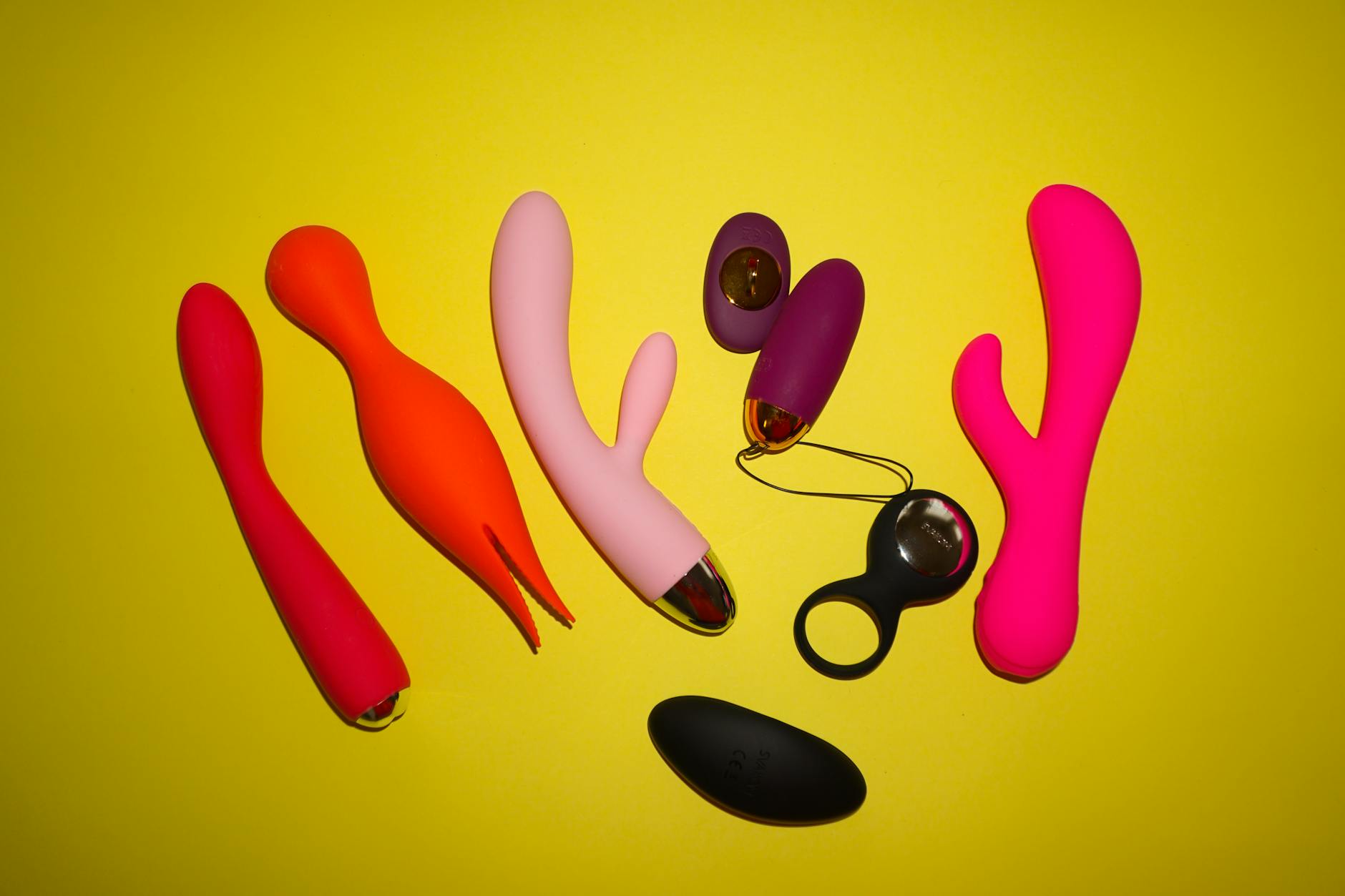
How to Use a Lemon Vibrator for Better Sensation When Medications Numb Pleasure
Many common medications dull sensation, desire, and orgasm. A lemon clitoral vibrator works differently than traditional vibrators, and there are specific strategies that actually restore pleasure.
You're not imagining it. SSRIs, blood pressure meds, antihistamines, and hormonal contraceptives all have documented effects on sexual sensation, desire, and orgasm. Some numb you completely. Others make everything slower, dimmer, harder to access. The frustrating part: your doctor probably mentioned it as a footnote if at all.
Here's what happens physiologically. Most medications that affect pleasure work in one of three ways. They reduce blood flow to the genitals, which means less engorgement and less sensitivity. They dull the central nervous system signals between your brain and body. Or they alter dopamine and serotonin, which are the neurotransmitters actually responsible for desire and arousal. Sometimes all three at once.
The good news: knowing which mechanism is happening changes what actually helps.
A traditional bullet vibrator or wand sends rapid vibration directly into tissue. If your nervous system is already muted by medication, that vibration often just feels like buzzing. Numbing buzzing. The intensity can go up, but the sensation doesn't scale with it. You end up either feeling nothing or feeling a tired ache.
Suction works differently. Instead of vibrating through tissue, it creates gentle pressure waves that stimulate the entire clitoral network, not just the surface. A lemon vibrator uses air-pulse technology, which means it's triggering a different set of nerve pathways than traditional vibration does. For people on medications that dull sensation, that difference is often the one that works.
I've had clients on SSRIs and beta-blockers tell me that standard vibrators genuinely felt like nothing, but when they switched to a lemon clitoral vibrator, they could feel something again. That's not placebo. It's a different technology hitting different nerves.
SSRIs and SNRIs are the biggest culprits. Sertraline, paroxetine, venlafaxine, fluoxetine. These are brilliant for anxiety and depression, but roughly 50-60% of people on them report decreased sexual sensation or difficulty reaching orgasm. The effect usually appears within the first few weeks and can persist for months or years.
Beta-blockers and ACE inhibitors for blood pressure reduce blood flow systemically, which means less engorgement in the genitals. Antihistamines dry out mucous membranes everywhere, including the vagina and vulva. Hormonal birth control and hormone replacement therapy both shift estrogen and testosterone, which directly impacts sensation and desire.
Antipsychotics and mood stabilizers can have effects similar to SSRIs. Even some allergy medications and cold remedies numb sensation if you use them regularly.
The most important thing: if your medication is one of these, you're not broken. Your nervous system is doing exactly what the drug intended. It's affecting the right target. It's just also affecting something you didn't sign up for.
First, don't increase your medication dose trying to fix the sexual side effects. That's like turning up the volume on a phone line that's already not working. What actually helps is working with your nervous system rather than against it.
Step one: longer arousal time. Medication-dampened sensation means your body needs more time to build arousal. Budget 20-30 minutes of foreplay or self-exploration before bringing a toy in. This isn't wasted time. This is your nervous system getting the message that pleasure is happening and starting to pay attention.
Step two: use a lemon vibrator on lower settings first. Start at pattern 1 or 2, not pattern 5. The goal isn't intensity. The goal is to get your nervous system used to registering sensation again. Use it for 5-10 minutes at a low setting, then stop. Come back to it later. You're retraining your brain to notice.
Step three: apply lubricant generously. Medication often reduces natural lubrication. Water-based lubricant isn't just about comfort. It also helps the suction seal work better, which means better stimulation and better nerve activation.
Step four: combine with sensation play. While using a lemon clitoral vibrator, have your partner (or use your other hand) touch other parts of your body. Your breasts, your thighs, your neck. You're flooding your nervous system with input from multiple sources, which is often what it takes to break through medication-related numbness.
Here's the nuance: you don't have to accept sexual dysfunction as the cost of mental health treatment. If your current SSRI is completely destroying your pleasure, your prescriber has options. There are SSRIs and SNRIs with lower sexual side effect profiles. Sertraline and paroxetine are the worst offenders. Fluoxetine and citalopram are often gentler. Bupropion actually increases dopamine and can improve sexual function.
You might also be able to switch the timing of your dose (taking it in the evening instead of morning sometimes helps), or add something that counters the side effect (like bupropion as an augmentation, or specific supplements).
The conversation to have with your doctor sounds like: "My current medication is helping my anxiety, but I'd like to explore whether there's a version or combination that affects my sexual function less. What are my options?" They have them. They might just not bring them up first.
One of the hardest things about medication-related numbness is the temptation to just blast it with more intensity. More power, more vibration, more everything. But your nervous system doesn't respond to force. It responds to consistency and time.
Using a lemon vibrator for 10 minutes at pattern 2, three times a week, for three weeks is more likely to restore sensation than using it at pattern 8 twice and giving up. Your nervous system needs to remember that pleasure is possible. It needs to rebuild the pathways. That takes patience.
Honestly, this is where a lemon clitoral vibrator shines for medication-dampened sensation. The suction pulses are rhythmic and forgiving. You can stay with a low, consistent pattern without the jarring overstimulation that makes you want to quit.
There's a psychological layer here too. Medication-related numbness often comes with grief. You're grieving the loss of sensation you used to have. You're frustrated. You might be angry at your medication, your doctor, your body. That anger and frustration actually make it harder for your nervous system to register pleasure.
This isn't about positive thinking or gratitude. This is about getting honest with yourself about what you're feeling, naming it, and then deciding whether you want to work on rebuilding sensation despite the difficulty. That decision, paradoxically, is what lets your nervous system relax enough to feel something again.
If you have a partner, this conversation matters too. Let them know what's happening. You're not less interested in them. Your nervous system is muted. You're actively working to restore it. That honesty often restores the emotional intimacy that helps sexual intimacy return.
For most people working with a lemon vibrator and the strategies above, sensation starts to return within 2-4 weeks. Not full sensation. Just the beginning of it. A tingle where there was nothing. A pulse you can actually feel. An orgasm that's small but present.
That first small orgasm after medication-dampened numbness is often the best one. It means you're not broken. You're just working with a different system now. From there, sensation usually continues to improve over weeks and months.
Sometimes it doesn't fully return to pre-medication baseline. That's okay. You're learning to work with your body as it is now, not as it was before. A lemon vibrator and patience often get you most of the way there.
You can try, but most people find it doesn't work. Traditional vibrators rely on sensation traveling through vibration. Medication dampens that pathway. Air-pulse technology like a lemon vibrator uses a different mechanism, which is why it often gets through the numbness where other toys don't. If you've already tried a standard vibrator and felt nothing, suction is worth trying.
Sexual side effects usually start to improve within 1-4 weeks of switching, but full restoration can take 2-3 months. Your nervous system needs time to readjust. In the meantime, using a lemon clitoral vibrator actually speeds the process because you're actively stimulating the pathways you want to reawaken.
No. There are almost always options: switching medications, adjusting doses, changing timing, adding augmentation, or combining approaches. If your doctor says there's nothing to do, that's a sign to get a second opinion from someone who specializes in sexual medicine or a psychiatrist with expertise in medication side effects. Your pleasure matters.
No. Using a vibrator doesn't change how your medication works. What it does is activate different nerve pathways and signal to your nervous system that pleasure is still possible. That signal often helps sensation return faster than it would without stimulation.
There's no medical reason not to. You're not doing anything harmful. But the conversation that matters more is telling them the side effect exists and asking for help addressing it. Once you're working on a plan to manage the side effect (whether that's switching meds, adding something, or just using strategies), mentioning you're using a vibrator is fine context.
Absolutely. Anxiety constricts blood vessels and makes your nervous system more numb. If you're anxious about whether sensation will come back, that anxiety can actually slow the return of sensation. The most helpful thing is usually getting direct support from someone (therapist, partner, or trusted friend) about what you're experiencing, rather than white-knuckling through it alone.
Medication-related numbness feels permanent when you're in it. It's not. Your nervous system is adaptable, even when it's been quieted by drugs that were necessary for your health. A lemon vibrator, patience, and sometimes a conversation with your doctor can get you most or all of the way back.
If you're struggling with this, start here: give yourself permission to take time with it. Use a lemon clitoral vibrator at low settings. Build arousal slowly. Talk to your doctor about your options. And remember that needing support to feel pleasure again isn't a failure. It's exactly what you should be doing. If you have questions about which approach might work best for your specific situation, reach out to us at /contact. You don't have to figure this out alone.