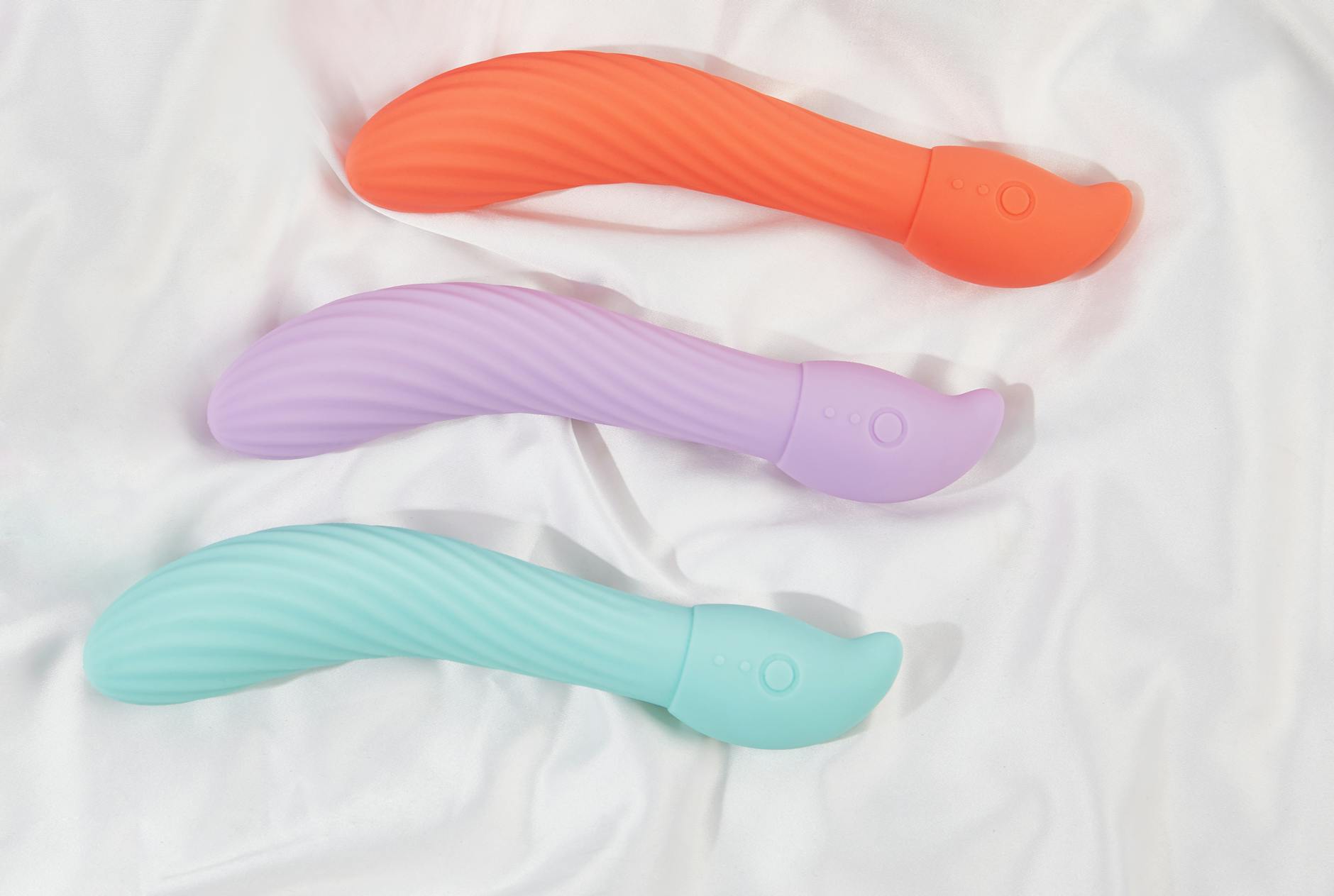
How to Use a Lemon Vibrator for Better Pleasure When You Have Low Desire
Low desire isn't a character flaw. It's a signal. Here's how clitoral vibrators rebuild arousal, what actually kills desire, and why starting solo changes everything.
Low desire isn't something that happens to you. It's something your body is telling you. Sometimes the message is "I need rest." Sometimes it's "This relationship isn't safe." Sometimes it's "I'm exhausted and touched out." And sometimes, honestly, it's just "I've forgotten what this feels like."
That last one is the one I see most in my practice. People don't lose desire because they're broken. They lose it because life gets loud, stress piles up, and somewhere between the mortgage and the kids and the work emails, pleasure becomes invisible. Using a lemon clitoral vibrator like the Lem isn't about forcing arousal back. It's about remembering that your pleasure still exists, and that it still matters.
There's a crucial difference most people miss. No desire means you don't care about pleasure at all. Low desire means you care, but something is in the way. Maybe it's physical: hormonal shifts, medication side effects, or plain exhaustion. Maybe it's emotional: resentment, anxiety, or feeling unseen by your partner. Maybe it's contextual: the house is a disaster, you haven't slept properly in weeks, or you're managing someone else's emotional needs all day.
The reason this distinction matters is because the fix is different. If you have low desire, you don't need someone to pressure you into sex. You need to locate what's in the way, then create the conditions for desire to return. A lemon vibrator is one of those conditions. Not the only one, but a valuable one.
Think about the last time you felt genuinely aroused. What was different about that moment? Chances are, you weren't worried, you weren't performing, and you weren't thinking about three other things at the same time.
Here's what I see crushing desire in most of my clients' lives.
Obligation masquerading as intimacy. When sex becomes something you owe someone instead of something you want, your nervous system knows it. Your body goes quiet. This is the most common cause of low desire I see, and it's not actually about sex at all. It's about power and safety.
Disconnection from your own body. You can't want something you're not in contact with. If you've spent years on autopilot during sex, focused entirely on your partner's pleasure or performance anxiety, you've literally lost the neural pathway to your own arousal. Rebuilding it takes intention.
Actual exhaustion. This one's simple but rarely acknowledged. If you're running on five hours of sleep and carrying everyone's emotional labor, your desire isn't low because you're broken. It's low because your system is in survival mode. A lemon clitoral vibrator helps, but so does sleeping through the night. Both matter.
Unresolved conflict. Resentment is a libido killer. If there's something you haven't said, some way you feel unseen or hurt, that lives in your body as shutdown. Sex won't fix it. Talking will. Then the lemon vibrator can help rebuild the pleasure part.
Here's what happens physiologically when you use a clitoral vibrator like the Lem, especially when desire is low.
The Lem's pulsing suction pattern activates nerves in the clitoris without requiring you to generate arousal first. That's different from a lot of other toys or activities. You're not waiting for desire to show up. You're creating the physical conditions where desire can remember itself.
When you start, your nervous system is probably somewhere between neutral and subtly defended. The early patterns on the Lem (try pattern 1 or 2) are gentle enough that you can stay curious instead of forcing. That matters. If you come to a lemon vibrator already tense and pushing, you're just adding performance pressure to something designed to help you let go.
What usually happens over five to ten minutes is a slow waking up. Blood flows to the area. Sensation clarifies. And somewhere around the ten-minute mark, if you're actually able to be present, arousal often starts to build. Not every time. But enough times that your brain starts to remember: "Oh. This is available to me again."
This is the biggest myth I need to break. If you have low desire, starting with solo play using a lemon vibrator isn't a consolation prize. It's actually the most direct path back to partnered pleasure.
Here's why. When you're alone, there's no one to perform for. No one to worry about. No pressure to be aroused on a schedule. You can stop whenever you want. You can go slowly. You can explore what actually feels good instead of what's supposed to feel good.
That reclamation of your own pleasure is not something your partner can do for you. And it's not selfish. It's foundational.
Most of my clients who started solo play with a clitoral vibrator found that within two to four weeks, they had more desire overall. Not just for solo play. For partnered sex too. Because they'd relearned what they wanted, and that knowledge changes everything. Once you remember that pleasure is available, it becomes easier to ask for it, create space for it, and actually feel it.
1. Pick a time when you have actual privacy. Not just physical privacy. Mental privacy. A time when you're not about to be interrupted, and you know it. This is not negotiable.
2. Start with no expectation. You're not trying to have an orgasm. You're not trying to prove anything. You're just practicing being present with sensation. If nothing happens, that's information, not failure.
3. Use lubrication. Even if you don't think you need it, use water-based lube. It makes everything feel less urgent and more exploratory. It removes friction that can feel like pressure.
4. Start on the lowest setting. With the Lem or any lemon vibrator, begin on pattern 1. Let your body adjust. Most people who say a vibrator is "too intense" have started too high. Your nervous system needs time to recognize what's happening as pleasure, not threat.
5. Give yourself ten minutes minimum. Arousal takes time, especially when it's been dormant. Don't check the clock. Breathe. Notice what you notice.
6. Do this two to three times a week. Consistency matters more than intensity. You're rebuilding a neural pathway. That takes repetition.
Sometimes low desire is just low desire. Sometimes it's a sign that something in the relationship or your life needs attention.
If low desire appeared after a specific event (infidelity, a huge conflict, a betrayal of trust), the lemon vibrator won't fix that. Trust-building work will. If it started when you got on a medication, talk to your prescriber. If it coincides with depression or anxiety, address that first. If your partner has been dismissive of your needs or controlling, no vibrator replaces the conversation about why that happened and what changes.
A clitoral vibrator is a tool for pleasure, not a substitute for addressing the real issue. But once the real issue is being worked on (in therapy, in conversation, medically), rebuilding pleasure through solo exploration is exactly the right move.
Once you've spent two to three weeks reconnecting with your own arousal solo, the conversation with your partner shifts. You can say: "I'm rebuilding my own desire, and I'd like us to explore that together." That's a very different conversation than "I have low desire and something's wrong with me."
That conversation opens the door to slowness, curiosity, and actual intimacy. Your partner might join you with a lemon vibrator. You might use it together sometimes, solo other times. The point is, you're rebuilding pleasure as a shared value, not a performance obligation.
Low desire is not forever. It's a signal. Listen to it, address what it's pointing to, and then reach for the tools that help you remember: pleasure is still yours. It's still available. You just have to create the space for it.
Most people notice a shift within two to three weeks of consistent solo play, two to three times weekly. That doesn't mean your desire is back at 100 percent. It means the pathway is starting to wake up, and you're remembering what arousal feels like. Full desire rebuilding often takes longer, especially if low desire was connected to relationship issues or medication. Give yourself grace with the timeline.
Yes. Antidepressants can lower desire and make orgasm harder, but a clitoral vibrator can absolutely help. The pulsing suction pattern of the Lem works particularly well for people on SSRIs because it provides consistent, focused stimulation. Start on a low pattern and be patient. Your body might need longer warm-up time, and that's fine. If you want to adjust your medication, talk to your prescriber, but using a vibrator alongside medication is safe and often really helpful.
That's completely normal, especially early on when desire is low. You're not failing. You might be rebuilding your nervous system's ability to receive pleasure before orgasm is available. Keep going. Orgasm is not the goal right now. Reconnection is. Many people find that orgasms come back naturally once they've practiced presence for a few weeks. If they don't, a sex therapist can help troubleshoot what's in the way.
That depends on your relationship and what you both have agreed to. In my clinical experience, honesty works better than secrecy. But the conversation matters. You're not asking permission. You're saying: "I'm rebuilding my own arousal because our sex life matters to me, and I need to reconnect with my body first." Most partners respond well to that because it's not about them. It's about you reclaiming something that belongs to you.
No. The opposite is often true. When you reconnect with pleasure through a vibrator, you often become more sensitive and more present overall. Your nervous system is less shutdown. What sometimes happens is that you become more aware of what you actually like and what you don't, which might mean you want different things from a partner than you did before. That's growth, not loss.
That fear is worth examining. If you're afraid to tell your partner you want to rebuild your own desire, that's information about the relationship. A partner who wants you to feel good should welcome this conversation. If you're worried about their reaction, that might be the real issue to address first, either in conversation or with a therapist. You deserve a partner who wants your pleasure to return.