If you've been on hormonal birth control for more than a few months and noticed orgasms feeling harder to chase, quieter when they land, or altogether less frequent. You're not broken. You're also not imagining it. Hormonal contraception changes how your body responds to arousal, and understanding that shift is the only way to work with it instead of fighting it.
Here's what birth control does: it stabilizes hormone levels by suppressing ovulation. That stability is the whole point. But it also means lower baseline estrogen and testosterone, which directly affect tissue sensitivity, lubrication, and the speed at which arousal builds. Your desire might soften. Orgasms might flatten. This is real physiology, not a headspace problem.
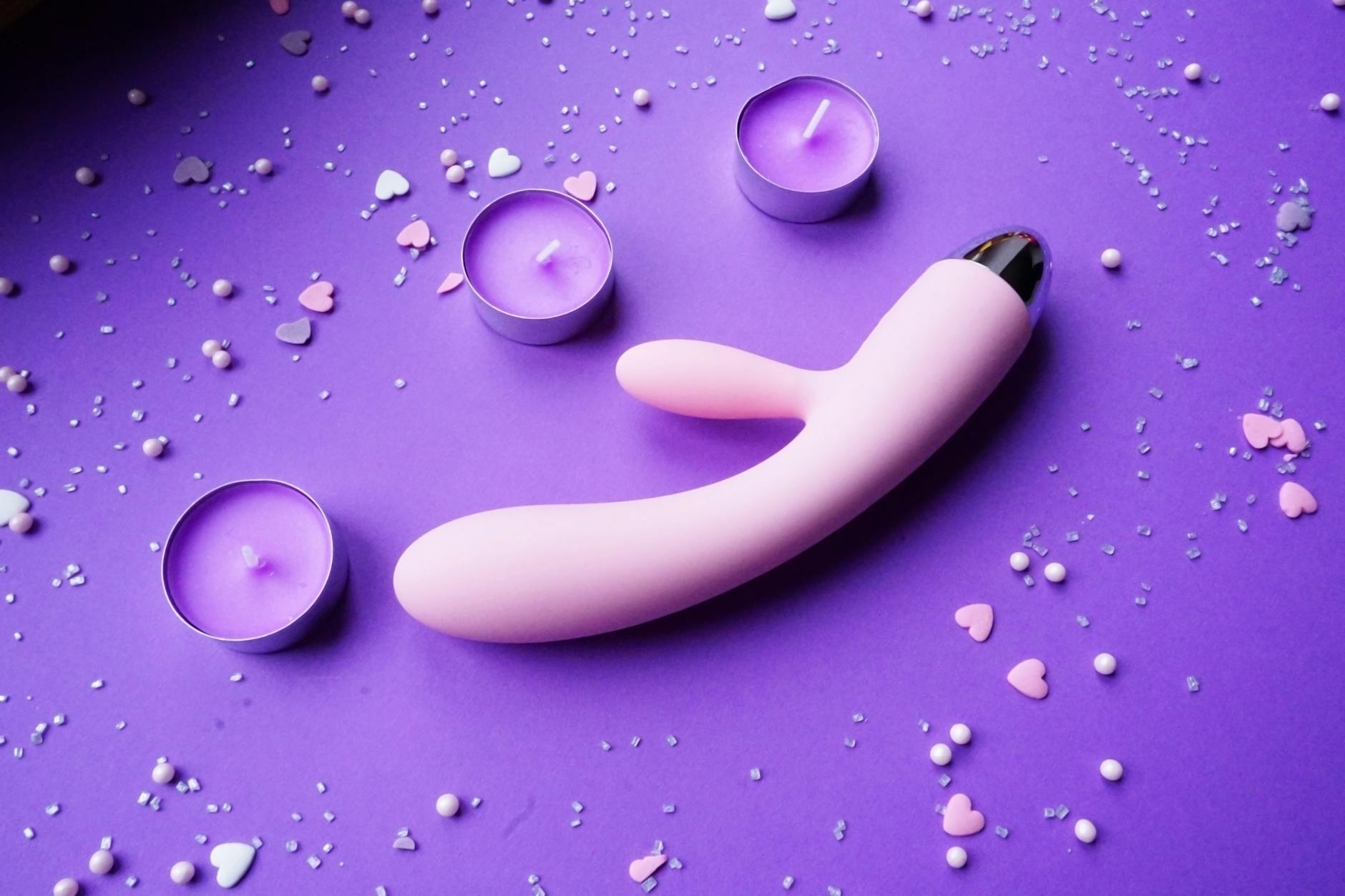
The good news is that your body isn't broken, and neither is your pleasure. You're just working with different settings. A lemon vibrator like the Lem is specifically designed to work with bodies that need a bit more targeted stimulation to reach that threshold.
Hormonal contraceptives suppress follicle-stimulating hormone (FSH) and luteinizing hormone (LH). That prevents ovulation, but it also means your estrogen and testosterone stay flat all month. In your reproductive years pre-birth control, these hormones cycled. Your clitoris actually got more engorged around ovulation. Sensation naturally peaked.
On hormonal contraception, that peak never comes. Your tissues stay in a steady, lower state of baseline arousal. For some people, this barely registers. For others, it's the difference between intense orgasms and barely-there sensations.
There's also a secondary effect: many people report that the emotional flatness some hormonal methods create (a real side effect, especially with certain pills) makes it harder to stay present during sex. You're physically in the moment, but mentally somewhere else. That mental distance directly reduces orgasm intensity.
Suction-based stimulation like the Lem works differently than vibration alone. Instead of relying on the body's natural engorgement and sensitivity, suction creates a vacuum that pulls tissue into the cup, then releases it rhythmically. This bypasses some of the hormonally-driven flatness.
Think of it this way: a traditional vibrator needs your clitoris to be already somewhat engorged to feel like much. A lemon sucker actively creates that engorgement as it works. You're not waiting for your body to cooperate with the stimulation. The stimulation is actively reshaping how your tissue responds.
For people on birth control specifically, this matters. Because your baseline arousal is lower, you need a tool that doesn't just sit on top of existing sensation. You need something that builds its own momentum.
If you're new to using a lemon vibrator while on birth control, the instinct is often to start at the highest intensity. Don't. Hormonal changes can make tissue more sensitive to pain even while reducing sensation of pleasure. It's a weird combination, but it happens.
Begin at setting one or two. Let the suction pull your tissues for about 30 seconds, then release. Notice what happens. Many people find that even at low settings, the rhythm and suction start building sensation within a minute or two. Your body is remembering how to respond.
Increase intensity by one setting only after you've spent 2-3 minutes at the current level. By the time you reach settings four or five, most people report that their tissue is more engorged and sensation is noticeably stronger than it was at the start.
Before birth control, maybe five minutes of foreplay got you there. On hormonal contraception, budget 15-20 minutes minimum before you even bring the lemon vibrator into the picture. Your body isn't slow. It just needs more preamble.
This is where a partner can help tremendously. Manual foreplay, kissing, touching anywhere on your body that feels good. The goal isn't to get you to the edge. It's to wake your nervous system up. Oxytocin (the bonding hormone) peaks during all of this, and it actually amplifies your ability to feel pleasure later. You're building capacity, not just killing time.
If you're solo, the same principle applies. Spend time noticing what feels good before you reach for the toy. Your clitoris, your inner thighs, your nipples. What's getting your attention. What makes your breathing shift.
Hormonal birth control often reduces natural lubrication. That's not a personal failing. That's biology. And it matters for using a lemon vibrator well.
Water-based lubricant (if you're using silicone toys, water-based only) reduces friction and also creates a better seal for the suction cup. Without enough lubrication, the toy can feel uncomfortable instead of pleasurable. You're fighting against the sensation instead of riding it.
Apply lubricant generously around the opening of the Lem cup before you start. Many people also add a bit more halfway through if sensation is feeling scratchy or dry. This is totally normal and nothing to feel awkward about.
Even though you're not ovulating, your body isn't completely flat hormonally. Pill packs typically have a hormone-free week. During that week, FSH and LH start to rise slightly (even though they won't spike enough to trigger ovulation). Many people notice that sensation returns a little during that week. Orgasms feel fuller.
If you notice that pattern in yourself, take advantage of it. That's the week to really explore with your lemon vibrator. You might find that the lower intensity settings that barely moved you the week before now feel significantly more intense. Or that orgasms arrive faster.
Conversely, during the week right after your new pack starts, if you're on a 21/7 schedule, sensation often flatlines again as hormone levels spike. That's not the week to be frustrated with yourself if everything feels muted. Your body is recalibrating.
Not all hormonal contraception creates the same flattening effect. The copper IUD creates zero hormonal changes, so if you're on copper, you probably aren't dealing with sensation loss from the method itself (though you might be for other reasons).
The pill and hormonal IUD (Mirena, Liletta, etc.) are the biggest culprits. Implants and shots (Depo-Provera) can flatten sensation even more intensely for some people. If you're on an implant and noticing almost no sensation despite using a lemon vibrator correctly, that's worth a conversation with your prescriber.
None of this means you should stop using your birth control. It means you might need to adjust your expectations around solo pleasure or get strategic about what tools help you access it. A lemon clitoral vibrator is one of those tools.
If you've been on birth control for years and sensation has been flat the entire time, your nervous system might need a bit of retraining. You're not desensitized in the way that chronic vibrator use can cause desensitization. You're de-sensitized because you haven't been sending your body the signal that pleasure is available.
Using a lemon vibrator regularly (3-4 times a week, say) can help reset that. You're not using it to chase orgasms every time. You're using it to remind your body that arousal and pleasure are possible. After a few weeks of consistent use, many people report that sensation returns even on weeks when they're not using the toy.
This is similar to what happens when someone comes off birth control entirely. Sensation often roars back. But you don't need to stop your contraception to get some of that sensation back. The right tool does a lot of the work.
If you've been using a lemon vibrator correctly and sensation is still completely absent after four weeks. Or if you notice pain, numbness that doesn't resolve, or significant emotional flatness that's affecting your relationship or quality of life. That's a conversation with your doctor or gynecologist.
The sensation issue is common. Providers know about it. There are alternatives. Different birth control methods, different pill formulations, different timings. You're not stuck with whatever method is flattening your pleasure.
Some people find that switching from a hormonal method to a copper IUD changes everything. Others find that staying on hormonal birth control but adding a low-dose testosterone cream makes a huge difference. Others find that a lemon vibrator and some strategic patience is all they needed.
The point is you have options. And you deserve pleasure that feels good to you, not pleasure that requires you to work around your contraception.
Using a lemon vibrator while on birth control isn't about fixing something broken in you. It's about meeting your body where it actually is right now, with honest information about how your contraception works. Some weeks will feel easier than others. Some settings on the toy will hit differently depending on where you are in your pill pack. That's not failure. That's just how the system works.
Your pleasure matters. So does your birth control. You don't have to choose between them.
No. Sensation typically returns within a few weeks to a few months after stopping hormonal contraception. Your hormone levels normalize, your tissues resensitize, and arousal usually returns to its pre-birth-control baseline. Some people notice that sensation is actually sharper after coming off birth control than it was before they started, possibly because they're more consciously paying attention to it.
Not likely. The Lem is a tool that helps you access sensation that's already there but quieter. Once your body remembers what that sensation feels like, many people find that they enjoy other types of stimulation more frequently, not less. You're not training yourself into dependence. You're training your nervous system to stay responsive.
Completely normal. Even though you're not ovulating, your FSH and LH levels start to rise during the pill-free week. Some people experience measurable increases in sensation, lubrication, and orgasm intensity during that week. It's a smaller version of what you'd experience mid-cycle if you weren't on the pill. Expect variation and work with it instead of against it.
Many people find they need to dial up the intensity in the first two weeks of their pill pack and can dial it down during the pill-free week. Others find their preferences stay consistent. Pay attention to what your body is telling you. If the setting that felt perfect last week feels too intense this week, turn it down. Your needs shift, and that's information, not a problem.
Absolutely. Many couples integrate lemon vibrators into partnered sex specifically because birth control can make it harder to orgasm from penetration or manual stimulation alone. Using the toy during foreplay or as part of penetrative sex can help you access pleasure that's harder to reach otherwise. The toy isn't replacing your partner. It's adding a layer that works with the way your body is currently wired.
Slightly. Hormonal IUDs often create more sensation flattening than the pill because they release hormones directly into your system. Implants can be even more intense. Copper IUDs don't affect sensation hormonally at all, so if you're on copper, sensation loss might be unrelated to your contraception. If you're on a method that's heavily suppressing sensation, you might need to use the lemon vibrator more strategically or at higher settings to feel the same effects.
For anyone curious about the science: studies on hormonal contraception and sexual function show consistent links between birth control use and reduced sexual desire, arousal, and orgasm frequency. A 2013 meta-analysis in Sexual Medicine Reviews found that roughly 18-30% of birth control users report sexual side effects, with sensation and desire most commonly affected. Research on suction-based stimulation (air-pulse technology) demonstrates that this method activates different nerve pathways than traditional vibration, which explains why many people find it more effective when baseline sensation is reduced. For detailed reading on the neuroendocrinology of pleasure, the work of Nan Wise and Laurie Mintz on sexual neuroscience provides accessible, evidence-based context for why hormones matter so much for pleasure.