Divorce doesn't just end a marriage. It often ends the story you were telling yourself about desire, attraction, and what it means to feel wanted. After years of sharing intimacy with one person, suddenly your body belongs entirely to you again. Which sounds empowering on paper. In reality, it can feel disorienting, even estranged.
Many people emerge from divorce with a specific disconnect: the neural pathways for pleasure are still there, but the emotional permission to use them has vanished. You might feel guilt (because pleasure was tied to a partnership), anxiety (about your body after years of being seen through one person's lens), or simply numbness. The physical capacity for arousal exists. The desire to reconnect with it doesn't.
This isn't a sign that you're broken. It's a sign that you need to rebuild trust with yourself.
Three overlapping reasons, none of them permanent.
Intimacy was context-dependent. For years, arousal happened in response to a specific person, in a specific dynamic, within a specific frame of permission. That context is gone. Your nervous system hasn't caught up to the fact that pleasure can now exist on its own terms.
You've internalized rejection. Divorce conversations are rarely about celebrating each other's bodies. They're about incompatibility, misalignment, sometimes betrayal. Even if the sexual disconnect wasn't the central issue, your body absorbed the message: something about you wasn't enough. Rewiring that takes deliberate work.
Shame lingers longer than you'd expect. Society still treats divorced women as slightly damaged goods, or as women who "failed" at partnership. Some of that messaging gets tucked into your nervous system. Pleasure, in this climate, can feel selfish, or like you're "moving on" too quickly, or disloyal to the grief you're supposed to be feeling.
Here's the part that matters: none of these are facts about your body. They're stories your mind is telling about your body. And stories can be rewritten.
Rebulding pleasure after divorce follows a predictable path, and it's actually simpler than you might think.
Start with sensation that has zero erotic charge. That might be a warm bath, the texture of a particular fabric against your skin, the feeling of sunlight on your shoulders. Spend a week or two noticing these things without any goal or intention. You're teaching your nervous system that pleasure and touch don't automatically mean sex or intimacy or partnership.
Next, move to direct touch that's still neutral. Massage your own shoulders, your hands, your feet. Use lotion. Pay attention. There's no performance, no outcome you're working toward. You're simply learning to be present in your own body again.
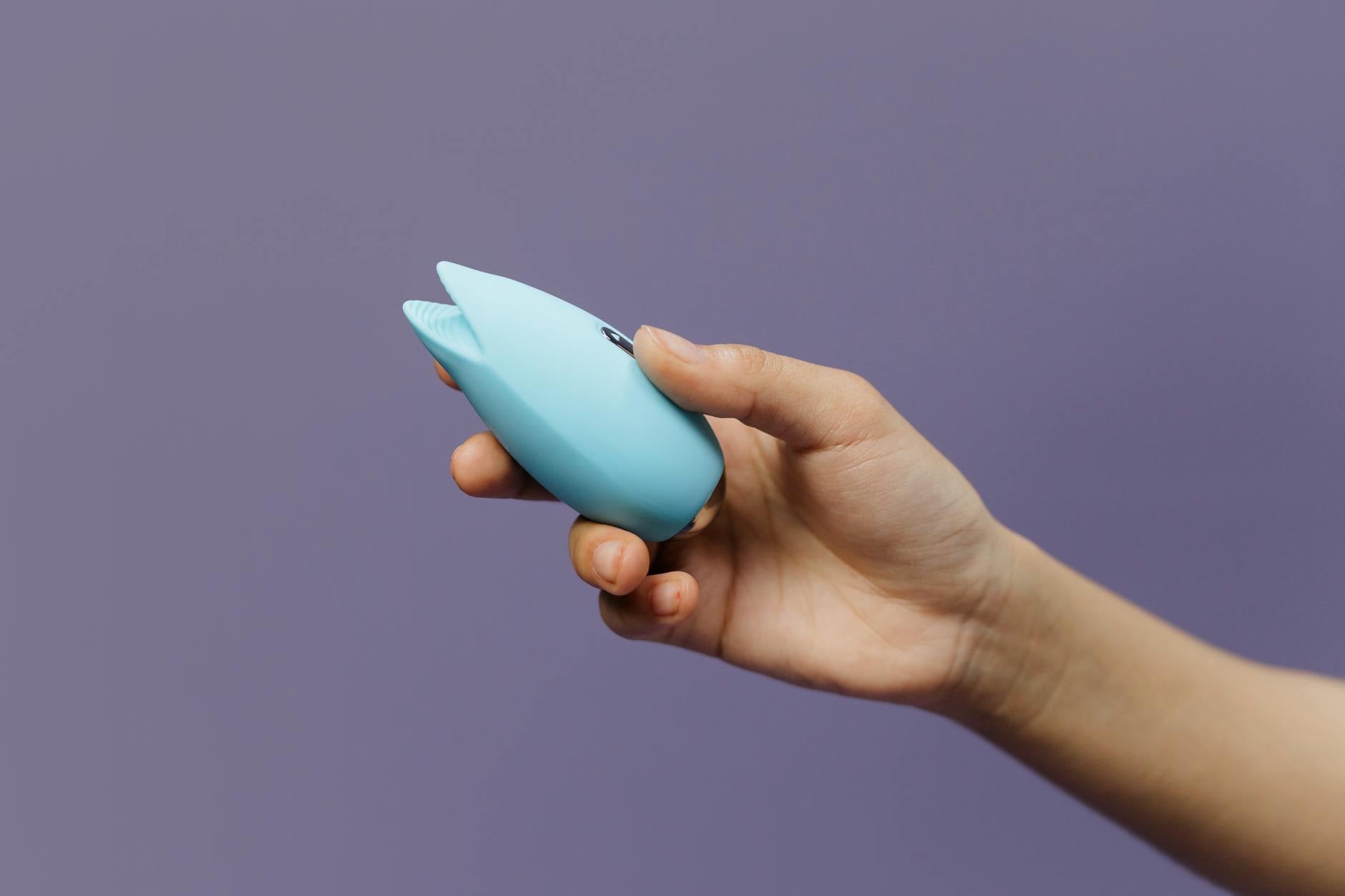
Once that feels settled, you can introduce a lemon vibrator. This is where things shift. Air-suction devices like the Lem work differently than traditional vibrators. They stimulate without penetration, without the pressure that can feel invasive if your nervous system is still protective. The sensation is precise and localized. You have complete control over intensity. You can stop immediately if something doesn't feel right.
That control matters more than you'd think. After divorce, regaining agency over your body's pleasure is half the emotional work.
Here's a concrete path forward. Set aside 20-30 minutes when you have true privacy and won't be interrupted.
First session: exploration without stimulation. Take a warm shower. Spend time noticing your body. Where do you feel tension? Where does touch feel good? Don't aim for arousal. You're gathering information.
Sessions 2-4: gentle self-touch. Use your hands. Lotion. No agenda. Spend five minutes on one area of your body. Notice texture, temperature, sensation. If thoughts about your ex or the marriage intrude (they will), acknowledge them without judgment and redirect to the physical sensation in front of you.
Session 5: introduce the lemon vibrator. Start on the lowest setting. Begin on your inner arm or your neck. Somewhere not directly sexual. Notice the sensation. How does it feel different from touch? Spend 10 minutes just exploring non-genital areas.
Sessions 6+: move toward the clitoris. If you want to. There's no timeline here. When you do move toward genital touch, use the lowest pattern first. Your nervous system has forgotten what arousal feels like. You're reintroducing it slowly.
The goal isn't orgasm (though that may come). The goal is rebuilding the signal from your body to your brain that says: I am allowed to feel good. I trust myself. My pleasure matters.
A lemon vibrator serves a specific function during reconnection. Unlike fingers, which carry memory and association, a tool is neutral. It's not your ex. It's not tied to partnership dynamics or failure. It's just a device.
Beyond that, air-suction technology offers something particular. The sensation is more diffuse and less intense than direct vibration. If your nervous system is hypervigilant (which it often is post-divorce), that gentleness matters. You're less likely to feel invaded. You're more likely to relax.
The precision of the lemon design also means you can target the exact spot where pleasure lives without fumbling. You don't have to think. You just have to feel.
This is the part that therapists often skip in the mechanics. Reconnecting with pleasure after divorce isn't primarily about sensation. It's about rebuilding the relationship between you and your own body.
For years, maybe decades, your body was part of a negotiation. You checked in with a partner. You responded to their desires, their timidity, their shame about sex. You learned to accommodate. Over time, you may have learned to disappear.
Solo pleasure breaks that pattern. When you use a lemon vibrator, you're the only person involved. The only desire that matters is yours. The only comfort you have to prioritize is your own. Repeat that experience a dozen times, and something shifts. You start to remember that your body is yours. That pleasure is a form of self-care, not a betrayal.
If guilt shows up (and it often does), notice it without fighting it. Guilt is just grief in a different shape. It means you're mourning the marriage, the identity you held within it, the story you thought would continue. That's legitimate. And it's not the same as your pleasure being wrong.
Most people report noticeable changes in 2-3 weeks of consistent practice. Not fireworks. Just a loosening. A slight return of curiosity about their own body. A moment where pleasure stops feeling guilty and starts feeling necessary.
Some people take longer. That's fine. There's no timeline. This is your healing, on your terms.
If after a month of practice you're still feeling completely numb, that might be worth discussing with a therapist or a doctor. Sometimes numbness is protective. Sometimes it's neurological or tied to other life stress. Either way, a professional can help you figure out what's underneath.
Rediscovering pleasure after divorce isn't about bouncing back quickly or proving you're fine. It's about slowly, deliberately, tenderly rebuilding the relationship between you and your own body. Some days that will feel empowering. Some days it will feel complicated.
Both are okay. You're not trying to be the person you were before the marriage. You're becoming someone new. Someone who knows herself better. Someone who trusts her own desire. Someone who understands that pleasure, pursued alone and on purpose, is a form of self-respect.
A lemon vibrator is just a tool in that larger work. But it's a good one.
Completely normal. Guilt after divorce often comes from two places. One is grief. For years, pleasure was tied to a partnership that no longer exists. Using your body for solo pleasure can feel like a betrayal of that loss. The second source is shame, which our culture deposits into women's nervous systems about their sexuality. Pleasure is sometimes unconsciously coded as selfish or as "moving on too fast." Neither guilt nor shame reflects reality. They're just noise your mind is making. Over time, consistent self-pleasure rewires that noise.
There's no standard timeline. Some people feel a return of sensation within days. Others take weeks or months. It depends on how long the marriage lasted, how the divorce ended, whether you're grieving or relieved, and how connected you were to your body to begin with. The practice I've outlined above works regardless of timeline. You're not trying to rush pleasure. You're learning to notice it when it arrives.
It can. Numbness is often protective. Your nervous system has decided that feeling less is safer than feeling more. A lemon vibrator is gentle enough that it doesn't override that protection. It whispers rather than shouts. Over time, gentle repeated stimulation can help your nervous system realize that sensation is safe. If numbness persists beyond a month or two of consistent practice, talk to a doctor. Sometimes numbness is medication-related or stress-related and needs a different approach.
Yes, and that's the point. Solo pleasure is about you. Your desire, your pace, your agenda. There's no performance. No accommodation. No negotiation about what counts as "real" sex. That difference is therapeutic. It reminds your nervous system what it feels like to have agency over your own body. Eventually, you may want to invite a partner back in. That's fine. But the work of reconnection with yourself comes first.
That's actually a sign the practice is working. Pleasure and grief are sometimes tangled together, especially after divorce. A lemon vibrator might trigger sadness because it represents freedom you didn't ask for, or because it makes the marriage's end suddenly real. If this happens, pause. Sit with the feeling. Cry if you need to. Your body is processing something important. You don't need to push through it.
You'll know. Reconnection work doesn't give you a timeline for dating. What it does is help you distinguish between being ready for sex and being ready for a partnership. You might feel desire return in week three. That doesn't mean a relationship is what you want. Keep practicing. Trust your body. When you feel genuinely curious about another person's desire as well as your own, that's closer to readiness. There's no rush.
Divorce cracks something in your relationship with pleasure. But cracks can be repaired. They often become stronger than the original surface. With time, attention, and tools like a lemon vibrator, your pleasure will return. Not the same as before. Better. Because this time, it belongs entirely to you.
If you'd like to explore your reconnection process with a professional, we're here to talk. Reach out at /contact anytime.