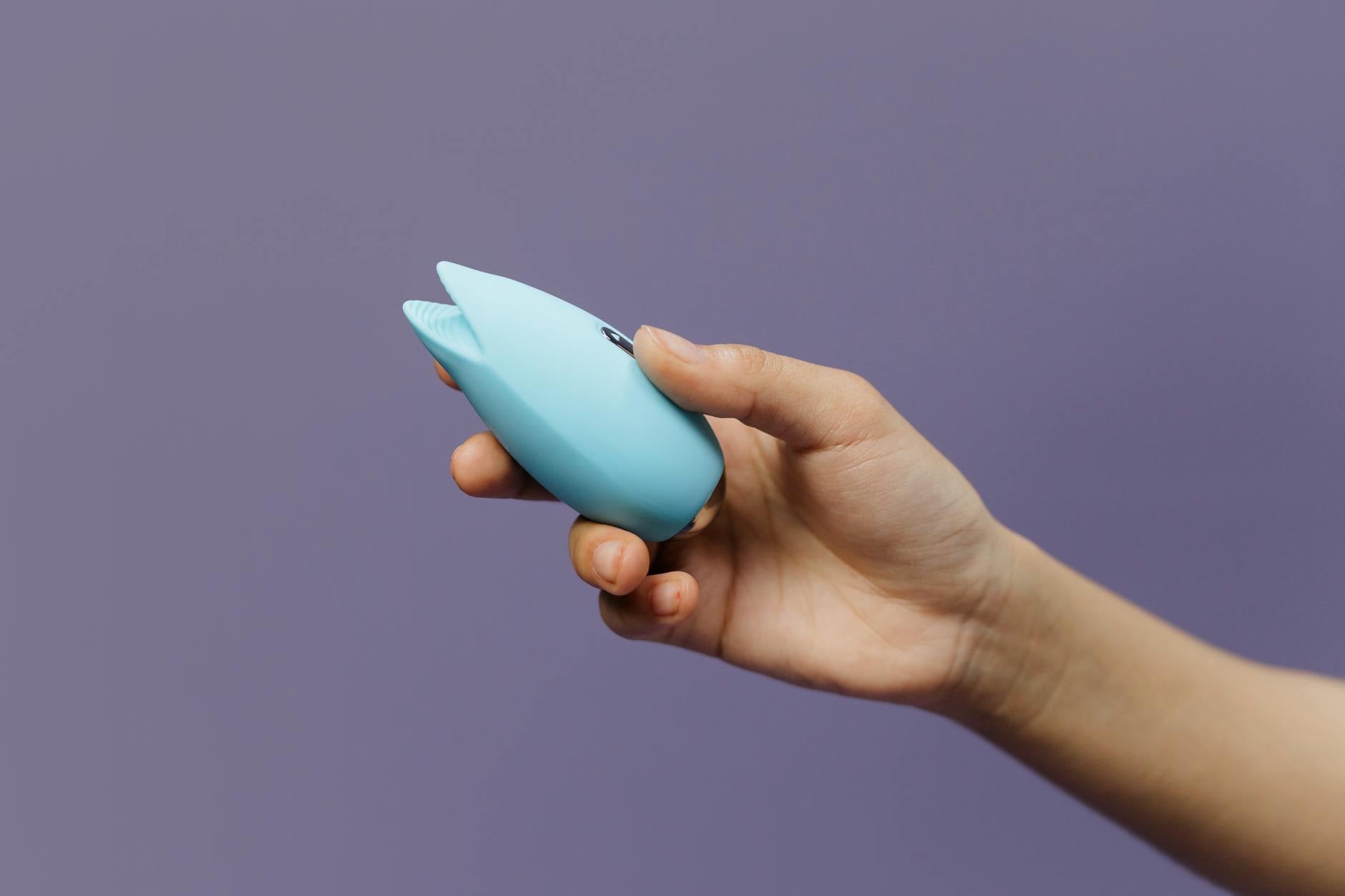
Let's be real. Most people think lube is optional. A nice-to-have. Something you add if things feel uncomfortable.
That assumption costs you pleasure.
Lubrication doesn't just reduce friction. It fundamentally changes how a lemon vibrator stimulates your clitoris, how intensity distributes across tissue, and how long you can comfortably use it. I'm talking about the difference between an okay session and a genuinely remarkable one.
A lemon clitoral vibrator uses air-suction or gentle pulsing stimulation instead of direct vibration. That's why it feels different from traditional vibrators. The lem design creates a seal around the clitoris and delivers rhythmic pressure through a contained space.
Without lube, that seal is harder to achieve because skin has natural texture and variation. Dry contact also means more friction against sensitive tissue, which can feel too intense too quickly. You end up compensating by using lower settings or taking breaks.
With lube, everything shifts. The fluid creates a smooth interface between your body and the toy. That seal becomes consistent. The suction or pulsing sensation becomes cleaner and more targeted. You can access higher intensity levels without discomfort. And here's the part nobody talks about: you can use the toy longer without tissue irritation.
Three specific things happen when you add lubrication to a lemon vibrator experience.
Better pressure distribution. The lube spreads the stimulation more evenly across the clitoral area instead of concentrating it on one tight point. This matters because concentrated pressure for too long can feel numbing. Distributed pressure lets more nerve endings activate simultaneously.
Increased glide without slipping. You'd think lube means the toy slides all over the place. It doesn't, because a quality lube has viscosity. It stays where you put it. But it allows micro-movement that reduces the friction burn you'd get from dry contact. That micro-movement is actually part of what makes the sensation more pleasurable.
Extended comfort window. Without lube, most people hit a sensitivity ceiling around 10 to 15 minutes with a lemon vibrator. With lube, that window extends to 20, 30, even 40 minutes depending on your sensitivity and the lube's staying power. Longer sessions mean you have more time to build toward orgasm instead of being forced to wrap things up because tissue feels raw.
Not all lubes are created equal when you're using a silicone clitoral vibrator like the Hello Nancy lemon toys.
Water-based lubricant is the safest bet. It's compatible with all sex toys, including silicone, and it doesn't damage the toy's finish. It absorbs into skin relatively quickly, so you'll need to reapply during longer sessions. But that's actually fine because it means you're not sitting in a slick mess afterward. Brands like Sliquid, Uberlube, and basic drugstore options all work. Look for something without glycerin if you're prone to yeast infections.
Silicone-based lube feels luxurious but comes with a catch. It's thicker, lasts longer, and feels incredible on skin. The problem: it can degrade silicone toys over time. Most sex toy experts recommend avoiding it with silicone vibrators, including lemon sucker toys. If you love the feel of silicone lube, test it on an inconspicuous part of your toy first, use it sparingly, and clean your toy immediately after.
Oil-based lubes sound natural but are actually problematic. Coconut oil, almond oil, and similar products feel amazing but they can trap bacteria and yeast against your skin. They also degrade condoms. Skip them for toy use.
Hybrid lubes split the difference. Some brands mix water and silicone bases to get longer-lasting glide without the silicone degradation risk. These are worth trying if water-based feels too thin and you want to avoid pure silicone-based options.
There's a technique to this that actually matters.
Apply a small amount (about a nickel-sized dollop) directly to the opening of your lemon vibrator before turning it on. Then apply a bit more around your clitoris. Turn the toy on at a low setting to distribute the lube evenly. This primes the seal without creating excess mess.
If you're using a water-based lube, reapply every 8 to 12 minutes. You'll feel when it's getting thin because the sensation will start feeling drier. It's your body's signal to add more.
Don't oversaturate. Too much lube means the seal breaks, the suction weakens, and you lose the precise sensation you're after. Think of lube as a thin layer, not a puddle.
Here's where it gets interesting from a relationship and pleasure perspective.
When you're using a clitoral vibrator with a partner, lube signals that this is a deliberate, planned thing. It's not an emergency measure because something hurts. It's a choice you're making to optimize the experience. That shifts the psychological frame for both of you. It says your pleasure is worth preparing for.
For solo sessions, lube is essentially self-care. You're telling yourself that this time matters enough to get the details right. That mentality alone changes how present you are during the experience. You're not bracing for discomfort. You're expecting pleasure.
Certain situations move lube from optional to necessary.
If you're using a lemon vibrator after taking a break from toys, tissue sensitivity is elevated. Lube protects against overstimulation while you rebuild tolerance. If you have naturally low lubrication (whether from hormones, medications, or just how your body works), lube isn't a workaround for a problem. It's how your body actually functions best with a toy. If you're using your lemon vibrator with a partner, lube eliminates the awkwardness of extended sessions and lets you both focus on connection instead of logistics.
The toy keeps slipping away. You're using too much lube or it's too thin. Use less, or switch to a thicker water-based formula. Or try applying lube only to the toy opening, not to your body.
The sensation feels numb. This usually means the lube is too thick or has created a barrier that's dampening stimulation. Use less lube, or try a thinner brand. You want just enough for glide, not a full coating.
Staining or discoloration on the toy. Most water-based lubes are stain-free, but some dyes or additives can mark silicone. This is cosmetic, not a safety issue, but if it bothers you, try a different brand.
Burning or irritation during use. Stop immediately. You might be sensitive to an ingredient in the lube. Try a simpler formula or a different brand. Some people react to glycerin, others to specific preservatives.
A lemon vibrator works better with lube because lube solves multiple problems at once. It improves the seal, reduces friction, extends your comfort window, and shifts the psychological frame around your pleasure from "managing discomfort" to "optimizing sensation."
You don't need fancy lube. You need compatible lube, used intentionally. Water-based is your safest starting point. Apply a small amount to both the toy and your body, reapply as needed, and pay attention to how sensation changes.
The experience will be different. Better. That's not a coincidence. That's physics and anatomy working the way they're supposed to.
Technically, yes. Many people do. But you're limiting intensity, comfort, and session length. You're also increasing friction against sensitive tissue, which can lead to irritation over time. Lube isn't mandatory, but it should be your default. It costs almost nothing and transforms the experience.
Water-based lube is the gold standard for silicone toys, including lemon vibrators and other air-suction toys. It's compatible with all materials, won't degrade your toy, and washes off easily. Look for options without glycerin if you're prone to yeast infections. That's your safest choice.
With water-based lube, reapply every 8 to 12 minutes. You'll feel when it's getting dry because sensation becomes less smooth. With silicone-based lube (if you choose to use it), you can go 20 to 30 minutes between applications, but remember the compatibility concerns with silicone toys.
Yes, but not in the way you might think. Lube doesn't dampen intensity. It actually distributes intensity more evenly across tissue, which can feel more intense in some ways because more nerve endings are engaged. You get cleaner, more targeted sensation at any given setting.
Most quality water-based lubes won't stain. Some may leave a slight residue depending on ingredients, but this is cosmetic and doesn't affect function. Wash your toy after use and dry it thoroughly. If you're worried about staining, test a new lube on a hidden part of the toy first.
Homemade lubes carry contamination risks. Coconut oil feels nice but traps bacteria. Water-based recipes lack preservatives and can grow mold. For the price of a bottle of commercial lube, you get safety, consistency, and peace of mind. It's worth buying the real thing.